If you are trying to lose weight, you have probably heard about the 10,000 steps a day rule. It is everywhere. But it didn’t come from science. It started with a Japanese pedometer ad campaign in the 1960s. Catchy idea, but not exactly backed by research.
That doesn’t mean walking doesn’t work. In fact, walking is one of the simplest, safest ways to start losing weight. The trick is knowing how many steps actually matter, and what kind of walking counts.
If you are starting from a low activity level, even 4,400 steps a day can make a real difference. Studies show that hitting this number regularly cuts your risk of chronic diseases like heart problems and diabetes.
It won’t torch fat right away, but it gets your body moving and sets the foundation. Think of it as your warm-up zone. From here, the goal is to build up, not burn out.
6,000 to 8,000 Steps Boosts Heart Health
Once you get into the 6,000 to 8,000 steps range, you are doing your heart a big favor. This level improves circulation, lowers blood pressure, and sharpens your mood.

Still, if your main goal is to lose weight, you will want to keep going. Heart health is the bonus. Fat loss needs a little more effort.
To actually lose weight, experts recommend walking between 10,000 and 12,500 steps a day. That might sound like a lot, but it is doable if you spread it out. Morning walks, post-lunch strolls, and parking farther away all add up.
This step range, combined with eating fewer calories than you burn, creates the sweet spot for fat loss. Walking helps you burn calories and manage your appetite. It also boosts your metabolism without wrecking your joints.
Try 15,000 Steps
Some studies show that 15,000 steps a day helps reduce the risk of metabolic syndrome, a cluster of conditions linked to obesity. More steps mean more movement, more calories burned, and better control over insulin and blood sugar.
This level is not for everyone, but if you are already active and want to lose weight faster or keep it off long-term, it is worth aiming higher.
However, how fast you walk also matters. Brisk walking, around 3 to 4 miles per hour, boosts your heart rate into the fat-burning zone (roughly 100 to 120 beats per minute). That is when your body taps into fat for fuel.
A slow stroll is better than sitting, but if you want results, pick up the pace. Brisk walking gives you more calorie burn in less time.
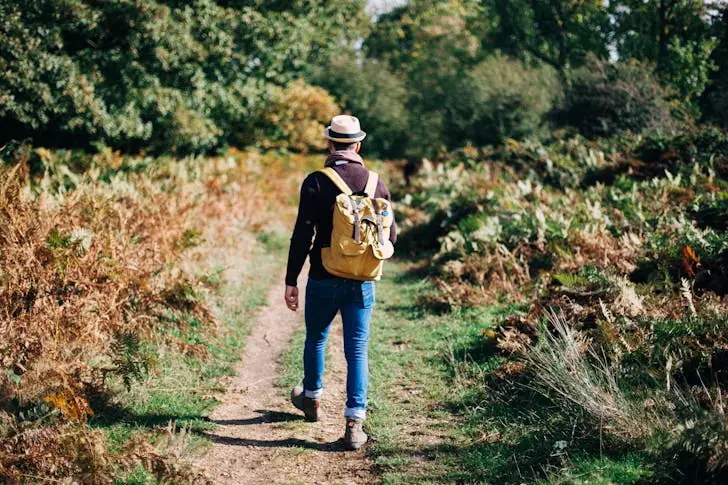
Changing terrain also keeps your mind engaged. You are not just counting steps; you are training smarter. Plus, you will feel stronger and see progress faster.
Add Intervals to Burn 20% More Calories
Want to crank up the fat burn without walking for hours? Try intervals. That means switching between fast and slow walking. Do 30 seconds fast, then one minute easy. Repeat.
This trick can burn up to 20% more calories than walking at the same speed the whole time. It also keeps your metabolism elevated after your walk ends. More burn, less time.
Ideally, walk right after eating. It will speed up the process of calorie burning.