Summer is still here, but the easygoing feeling attached to it is becoming harder to find.
The season once suggested long afternoons outside, warm evenings, vacations, backyard gatherings, and a temporary break from everyday routines. In 2026, extreme heat, wildfire smoke, severe storms, and rising energy costs are changing how people experience those familiar rituals.
Climate change, driven mainly by the burning of oil, gas, and coal, is making dangerous heat more common across many parts of the world.
A Different Kind of Summer
The problem is no longer simply that summer feels hot. Record temperatures are affecting daily life in ways that were once unusual. Rising heat is contributing to melting Arctic ice, drought, stronger wildfires, intense storms, and growing health risks, particularly for people who cannot afford air conditioning, paid time off, or expensive vacations designed around cooler destinations.
Asia has faced especially severe conditions. Japan has even introduced the meteorological term “kokusho-bi,” meaning a “cruelly hot day,” to describe dangerous heat.
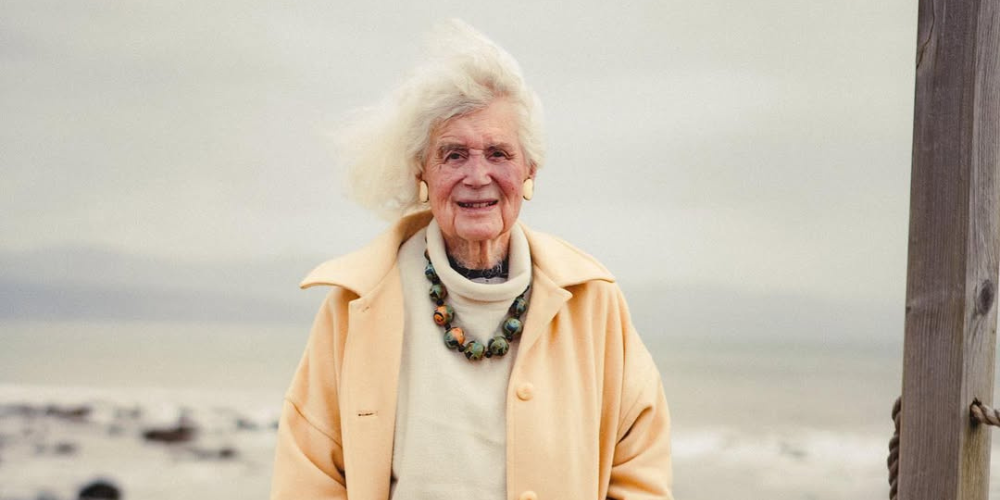
That reality stands in sharp contrast to the traditional idea of summer as a carefree season. Author Debra Denker, who writes climate fiction, reflected on that loss in an essay published last month. Recalling the leisurely summers and July Fourth block parties of the 1960s, Denker wrote, “I mourn for the way summer used to be.” She also warned that children growing up now may never experience the mild summers remembered by earlier generations.
Her point goes beyond nostalgia. The concern is that extreme weather may change not only where people go during summer, but also how safe and relaxed they feel during the season.
Heat Is Changing Daily Habits
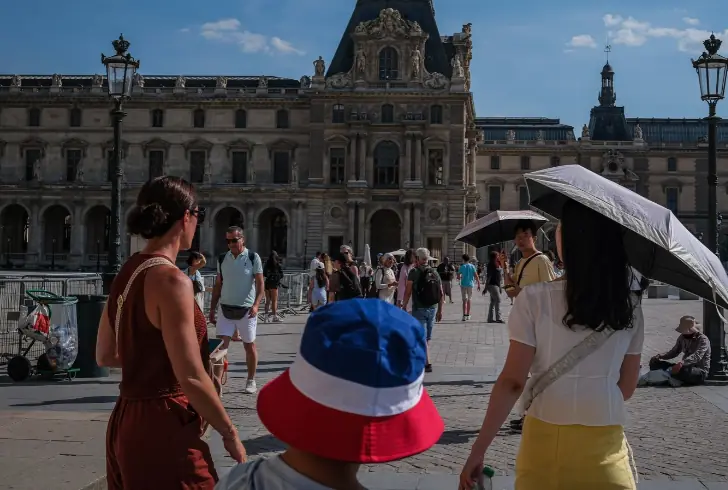
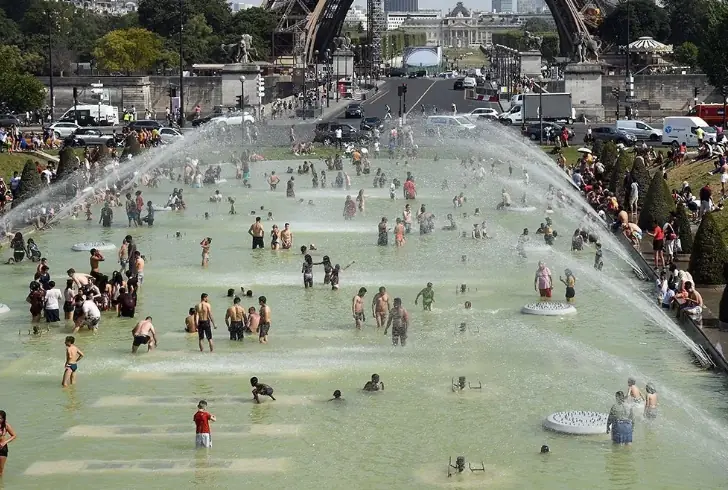
Across North America and Europe, wildfire smoke has added another problem to summer heat. In some areas, orange skies and gritty air have made outdoor activity unpleasant or unsafe. Paris has also faced serious nighttime heat, with residents dealing with uncomfortable sleeping conditions in buildings that were not designed for prolonged high temperatures.
As a result, ordinary routines are shifting. People are checking air-quality readings before heading outside, completing errands earlier in the morning, and waiting until evening temperatures fall before exercising or walking dogs. A full day at the beach can now require checking heat levels, sun exposure, air quality, and weather alerts.
Vacation planning is changing as well. An August trip to Europe or a long day outdoors may involve careful timing rather than simply choosing a destination and enjoying the weather.
A recent poll from the Associated Press-NORC Center for Public Affairs Research found that Americans were more likely than in July 2024 to report that extreme heat had affected travel or vacation plans, electricity bills, sleep, family outdoor activities, and other parts of daily life.
Research from Oxford University published in July reached a similar conclusion on a global scale. Researchers found that intense heat was influencing everyday behavior in seven countries particularly exposed to heat waves: Brazil, France, India, Nigeria, Turkey, the United States, and China.
Summer Heat Brings Real Discontent
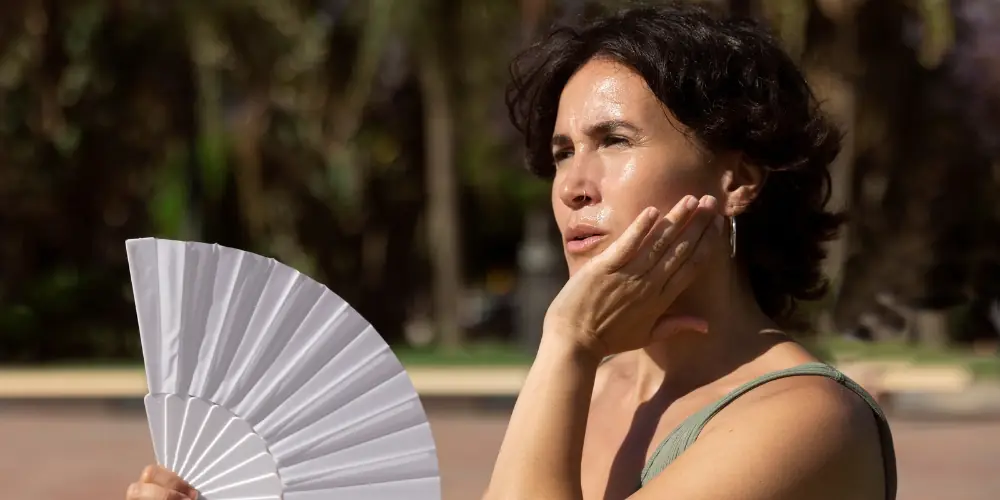
The frustration is easy to understand. Amber Risebrow, a teacher in Britain’s Channel Islands, described wanting the long evenings and sunshine associated with an ideal English summer. Instead, she joked on Instagram that she felt like a “rotisserie chicken” whenever she went outside, “Slowly rotating. Gently basting. Questioning my life choices by 10am.”
Behind the humor is a serious adjustment. Heat can limit exercise, reduce sleep quality, affect productivity, and make outdoor work dangerous.
The numbers reinforce that concern. The United Kingdom and France experienced another intense heat wave this week, with temperatures approaching 40 Celsius, or 104 Fahrenheit. It marked the fifth heat wave of the year in a region where air conditioning remains uncommon.
The United States also recorded a major temperature milestone. The National Oceanic and Atmospheric Administration reported that the contiguous U.S. experienced its hottest July on record.
Globally, 2026 has so far ranked as the third-hottest year, behind 2024 and 2025. Scientists have also warned that the year could still become the hottest on record because of continued human-caused warming combined with a strong El Niño, the periodic warming of parts of the Pacific Ocean that can influence temperatures worldwide.
World Meteorological Organization spokesperson Clare Nullis emphasized that heat is only part of the problem. “We’re also seeing extreme rainfall, tropical cyclones,” she told reporters in Geneva. “So we’re not in holiday mode at all.”
Can Summer Still Feel Carefree?
People are already adapting. Travel advisories increasingly recommend avoiding outdoor activity during the hottest hours. Dog owners are being encouraged to schedule walks around sunrise or sunset. Agricultural and construction workers may shift working hours toward cooler mornings, while some employers allow remote work during periods of dangerous heat.
Homes, however, are not equally prepared. About 90% of American homes have air conditioning, according to the U.S. Census Bureau, compared with only about 4% of British homes. That difference matters when nighttime temperatures remain high.
The changing summer also highlights an older issue: carefree vacations were never equally available to everyone. Time away from work, a cool home, transportation, and the ability to alter daily schedules have always depended partly on income and working conditions.
Comedy writer Elizabeth Simone addressed that divide in an essay for the Weekly Humorist last year titled “An Open Letter to the Person Who Asked Me What I’m Doing For The Summer As If I Didn’t Have to Work.”
Simone described summer vacation as an “outdated sham,” arguing that the idea comes from childhood memories of what summer once represented.
Why the Summer Ideal Is Changing
The shift in summer culture goes beyond rising temperatures. Frequent heat waves, poor air quality, and severe weather are changing how people plan vacations, spend time outdoors, sleep, and manage daily routines. Activities that once felt effortless now often require checking forecasts, air-quality reports, and heat advisories.
Summer itself is not disappearing, but its carefree reputation is changing. Beach trips, outdoor gatherings, road trips, and warm evenings remain possible, though extreme conditions can make them less predictable. The experience of summer increasingly depends on access to cooling, flexible schedules, and safe outdoor conditions.
The summer of 2026 shows how climate change is influencing ordinary life. Rising heat is affecting travel, work, recreation, energy use, and personal comfort while pushing communities to rethink how homes, workplaces, and public spaces respond to prolonged heat.
The familiar idea of summer as a season of freedom may continue to fade as extreme weather becomes more common. Preserving the enjoyable parts of the season will increasingly depend on practical changes that help people stay safe and comfortable.