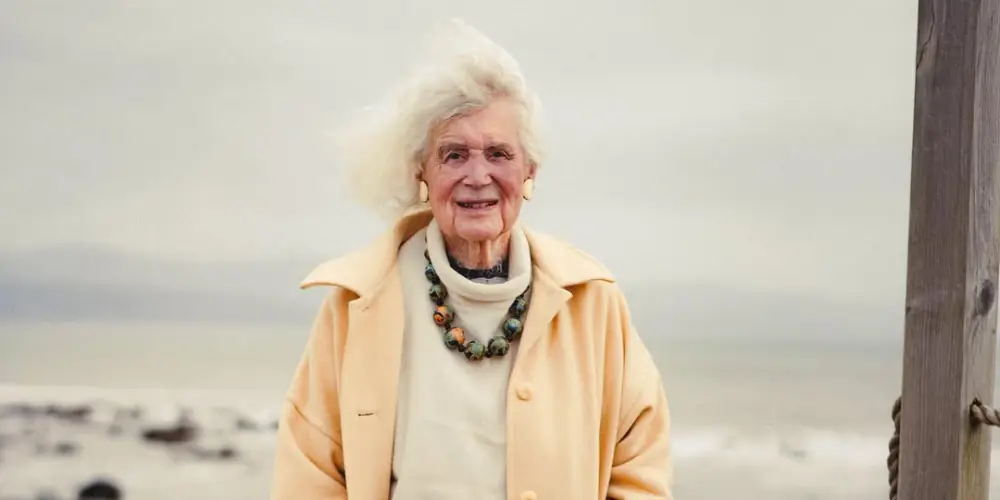
Few literary lives carry the range, courage, and contradiction found in Jan Morris’s story. From breaking one of the biggest news scoops of the 20th century to becoming one of the most respected travel writers in modern literature, Morris lived a life that constantly defied convention.
Few literary lives carry the range, courage, and contradiction found in Jan Morris’s story. From breaking one of the biggest news scoops of the 20th century to becoming one of the most respected travel writers in modern literature, Morris lived a life that constantly defied convention.
Sara Wheeler’s biography captures that journey with a steady, reflective tone, revealing both the brilliance and the private costs behind a life that left a lasting mark.
From James Morris to a Global Byline
James Morris, born in 1926 in Clevedon, England, grew up in a household marked by contrast. His mother, Enid, was focused and exacting, while his father’s fragile health created a quieter backdrop. Even in childhood, Morris felt an inner difference that never quite settled.
At school, that awareness became harder to ignore. Later, military service introduced travel, structure, and an unexpected sense of release. Rather than reinforcing masculinity, those years nudged Morris toward recognizing a deeply felt feminine identity. Time spent in Venice, Trieste, and Palestine expanded not just his worldview, but his understanding of himself.
After leaving the army, journalism returned—and this time, it changed everything.
Love, Journalism, and Marriage
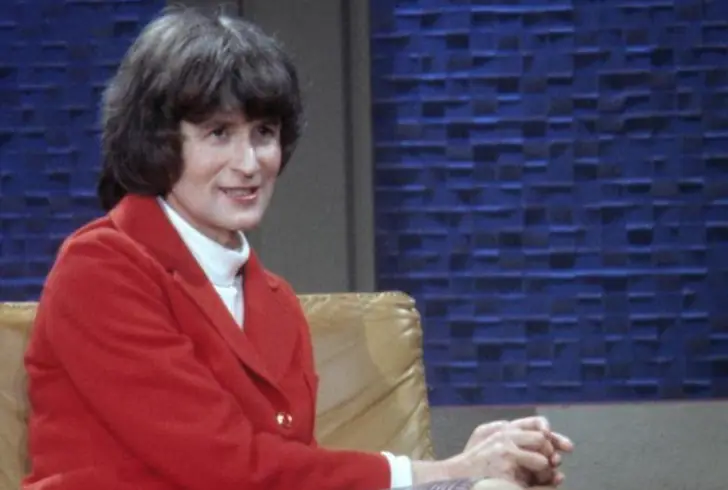
While living in London, Morris met Elizabeth Tuckniss, who would become a steady presence throughout this story. Their relationship moved quickly, leading to a proposal sent by telegram from Cairo and a marriage in 1949.
There was a rare emotional openness between them. Early on, Morris shared the long-held belief of being born in the wrong body. Elizabeth met that truth with quiet understanding, building a bond that endured through every change that followed.
At the same time, Morris’s journalism career accelerated. Reporting from Egypt for The Times led to wider recognition and, ultimately, one of the most iconic scoops in modern journalism.
The Everest Scoop That Changed Everything
The 1953 British Everest expedition became the turning point that brought Morris international recognition. Initial doubts from John Hunt soon gave way to a reporting achievement that would become legendary.
Morris traveled to Kathmandu, completed the long trek to base camp, and then devised a coded message system to protect the scoop. When Edmund Hillary and Tenzing Norgay reached the summit, Morris ensured The Times delivered the exclusive news to London just before Queen Elizabeth II’s coronation.
That timing transformed the report into a historic cultural moment. Almost overnight, Morris became the journalist associated with one of the century’s defining achievements. From there, books, essays, and international assignments followed rapidly.
Literary Greatness and Authentic Identity
Success as a writer created something even more important than fame: freedom. With the global success of “Venice” in 1960, Morris finally gained the financial ability to pursue his long-suppressed personal truth.
By the 1960s, the disconnect between public identity and internal reality had grown impossible to ignore. Morris began hormone treatment and slowly started living part of life openly as a woman. During the week, Oxford offered a private space for authenticity, while weekends brought returns to family life in Wales.
That sense of living between worlds revealed both strength and emotional complexity. In 1972, Morris traveled to Casablanca for gender confirmation surgery at Georges Burou’s clinic. It was a deeply personal step, yet it did not break the emotional fabric of family life.
Story Behind “Conundrum”
After returning home, Morris chronicled the experience in “Conundrum.” The memoir drew strong reactions. Some critics were dismissive, while others recognized its honesty and literary weight.
In the years that followed, Jan Morris stepped back from public discussions around gender. Rather than taking on a spokesperson role, she allowed her work to carry the conversation. Her attention remained fixed on literature, travel, empire, and place—areas she continued to shape with unmistakable style.
That choice added another dimension to her story. She emerged as a trans pioneer not through activism alone, but through the act of living openly and writing without restraint.
A Family Bond That Defied Labels
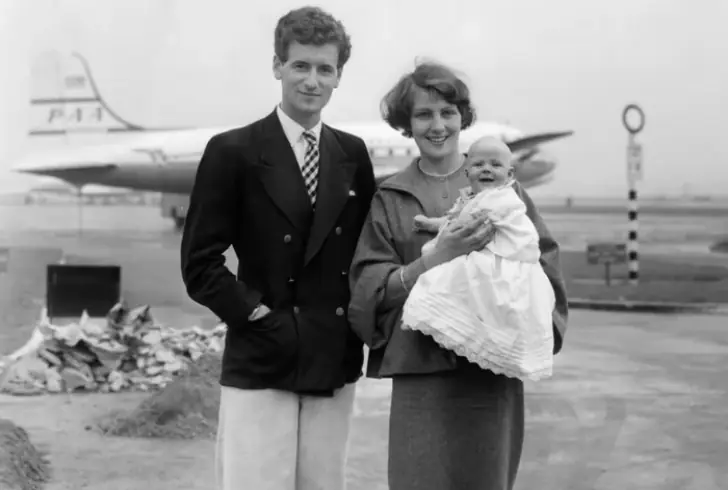
Though Jan and Elizabeth divorced in 1973, little changed in practice. They remained together, maintaining a connection that resisted easy categorization.
Sara Wheeler’s biography gains strength from direct family insight, especially through Morris’s son Mark. His reflections bring both closeness and honesty.
That openness grounds the book. It avoids presenting Jan Morris as flawless.
Instead, it portrays a brilliant writer whose strengths coexisted with flaws—moments of emotional distance, self-focus, and strain within the family. Her daughter Suki spoke openly about those difficulties, adding further depth.
Wheeler succeeds by holding both sides in view. The biography celebrates talent and courage, while also acknowledging tension and imperfection.
That balance is what gives the story its force. Jan Morris did more than live through history—she left her mark on it.
Her life stands as a reminder that truth often comes through risk, reinvention, and the determination to keep writing through change.