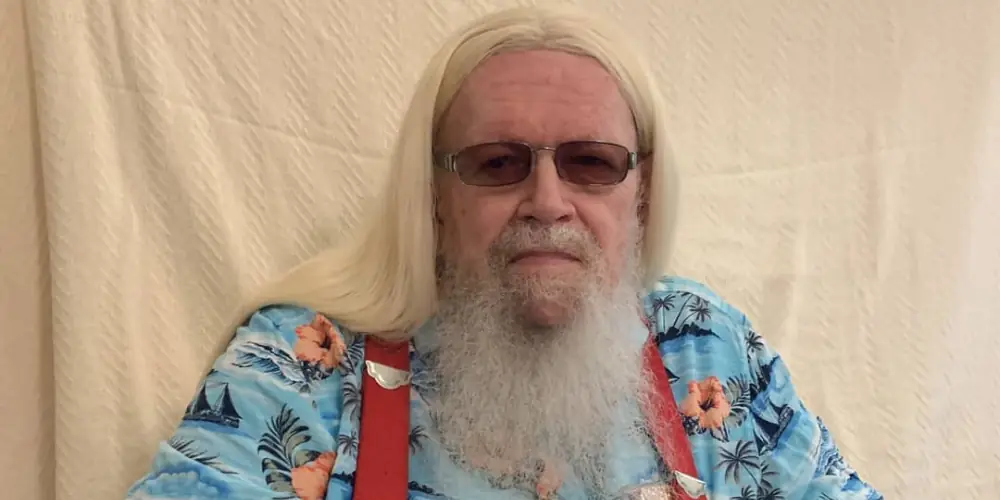
David Allan Coe stood as one of country music’s most debated and complex figures, a songwriter and performer tied closely to the outlaw country wave of the 1970s. Known for sharp lyrics, a rebellious image, and songs that cut across humor and heartbreak, Coe’s career never followed a predictable line.
He died at 86, leaving behind a catalog that still draws attention for its honesty, grit, and contradictions.
His journey ran through Nashville songwriting rooms, prison time in his youth, major label albums, and a reputation that shifted between admiration and criticism. Even decades later, his work continues to spark conversation around talent, image, and authenticity in country music.
From Ohio Roots to Nashville Streets
Born in Ohio, David Allan Coe did not share the Texas background common among early outlaw country figures like Waylon Jennings or Willie Nelson. That difference alone placed him slightly outside the original circle, though his attitude aligned with the movement.
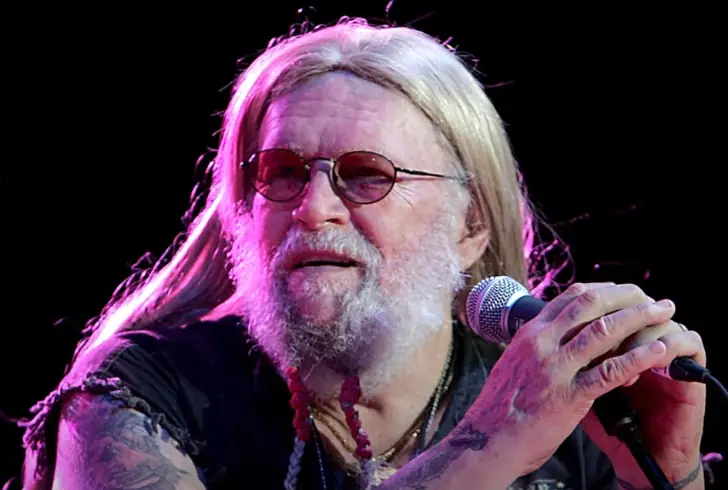
Before music took shape, much of his early life involved time in correctional institutions. Those experiences later shaped the tone of his songwriting, which often carried themes of defiance, regret, and survival. Eventually, Nashville became the destination, where Coe shifted focus toward songwriting and performance.
Nashville’s competitive publishing scene in the late 1960s and early 1970s required sharp writing skills, and Coe quickly built a reputation as a strong writer capable of crafting songs for other artists.
Songs That Built His Name
Before his voice became widely recognized, Coe’s writing already reached major success through other performers. His early breakthroughs included:
Tanya Tucker’s “Would You Lay With Me (in a Field of Stone)”
Johnny Paycheck’s anthem “Take This Job and Shove It”
The second song, in particular, became a cultural statement about workplace frustration, securing Coe a place in mainstream country songwriting.
Despite this success, some listeners assumed his strength was limited to writing. That perception shifted when he recorded songs that highlighted his vocal style and interpretation skills.
Notable recordings that changed opinions included:
“You Never Even Called Me by My Name” (written by John Prine and Steve Goodman)
“The Ride” (written by Gary Gentry and John Blayne Detterline Jr), a haunting tribute to Hank Williams
These tracks helped establish Coe not just as a writer behind the scenes, but as a full performer capable of delivering emotional range and storytelling depth.
Outlaw Country and the “Longhaired Redneck” Era
By the mid-1970s, outlaw country had become a defining force in American music. Artists were pushing back against polished Nashville production styles, choosing instead rawer sound and independent identities.
In 1975, Coe released “Longhaired Redneck” under Columbia Records. The album marked a key moment in his career. Its opening line, “Country DJs knows that I’m an outlaw…,” became one of his most recognizable declarations.
The album did not turn into a massive commercial breakthrough, yet it earned respect and continues to hold up well compared to many country records of that era. Its mix of humor, self-awareness, and rough-edged storytelling reflected the outlaw spirit, even as Coe added his own twist to it.
At the time, the outlaw movement included major names like Willie Nelson, Kris Kristofferson, and Waylon Jennings. Jennings later captured the mood shift with “Don’t You Think This Outlaw Bit’s Done Got Out of Hand?”, highlighting how the label itself had started to expand beyond its original meaning.
Range, Style, and Standout Tracks
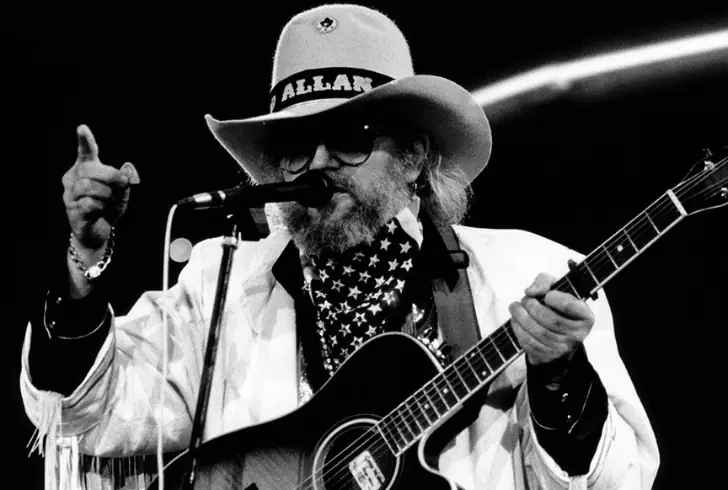
Coe’s catalog shows a wide emotional and stylistic range. Some songs leaned heavily into humor and shock value, while others carried tenderness and reflection.
His work included tracks such as:
“Need a Little Time Off for Bad Behavior,” which leaned into chaotic humor and outlaw attitude
“Tanya Montana,” a softer, more sentimental piece written for his daughter
“Willie, Waylon, and Me,” a bold self-referential track that placed him alongside country’s biggest names
The contrast between rough-edged storytelling and softer family-focused writing created a unique balance in his catalog. That contrast also became one reason his career stood apart from many of his peers.
He frequently performed alongside leading outlaw artists, contributing background vocals and sharing stages across tours. His presence in the movement remained consistent even without the same commercial peak achieved by others in the group.
Public Image, Controversy, and Perception
Coe’s reputation carried both admiration and criticism. Some audiences valued his songwriting strength and vocal delivery, while others questioned his public statements and self-presentation.
Over the years, he made remarks considered racist or misogynistic, later dismissed by him as humor. Even within the broader context of 1970s country music—where boundaries were looser and language often unfiltered—his comments stood out and created lasting debate.
At the same time, many who met him described a generous and engaging personality in personal settings. This contrast between public controversy and private interactions added complexity to how his legacy developed.
Country music history includes similar contradictions among other major figures. Artists such as Johnny Cash, Kris Kristofferson, and Waylon Jennings all carried reputations that included personal struggles, outspoken behavior, or legal issues, yet maintained deep respect within the industry.
Comparisons, Timing, and Artistic Placement
A recurring question around Coe’s career involves why his solo success never fully matched his songwriting influence. Several factors contributed, including timing, personal image, and artistic direction.
One perspective points to generational placement. Coe belonged to the same era as the main outlaw figures but was slightly younger. That gap may have affected how audiences connected him to the movement’s core identity.
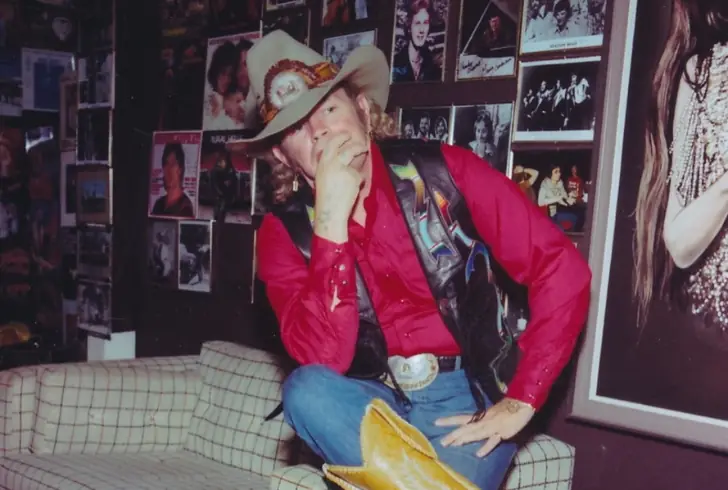
Another factor involved his stylistic choices. Songs like “Tanya Montana” reflected traditional country sentimentality at a time when some listeners preferred a more modern edge. In contrast, artists like Steve Earle with “Little Rock ’n’ Roller” and John Hiatt with “Georgia Rae” presented similar themes with a different production feel that aligned more closely with later trends.
A memoir titled My Life on the Road with David Allan Coe by Mickey Hayes also provides accounts of Coe’s life during the late 1970s and early 1980s, portraying a performer deeply committed to music while also living unpredictably on the road.
Despite differences in commercial reach, Coe’s songwriting ability remained widely acknowledged among peers. His work continued to appear in discussions of strong narrative country writing, especially within outlaw-era catalogs.
Lasting Legacy of a Divisive Figure
David Allan Coe’s career remains difficult to categorize. His songwriting shaped hits for other artists, while his own recordings built a loyal following that valued honesty and raw expression. At the same time, his public controversies and self-created outlaw identity sparked debate that never fully settled.
Still, his music continues to circulate, especially tracks that highlight his storytelling strength and emotional contrast. Whether through bold outlaw declarations or quiet, personal songs, Coe left behind a body of work that reflects both talent and contradiction.
David Allan Coe’s place in country music history rests on a mix of influence, unpredictability, and artistic depth. From Ohio beginnings to Nashville songwriting success and outlaw country recognition, his path never followed a simple route. Songs like “You Never Even Called Me by My Name,” “The Ride,” and “Longhaired Redneck” remain part of the genre’s conversation, while his more personal recordings show a different side of his writing.
His career did not align neatly with commercial expectations or public perception, yet his impact remains visible in the broader story of outlaw country and American songwriting.