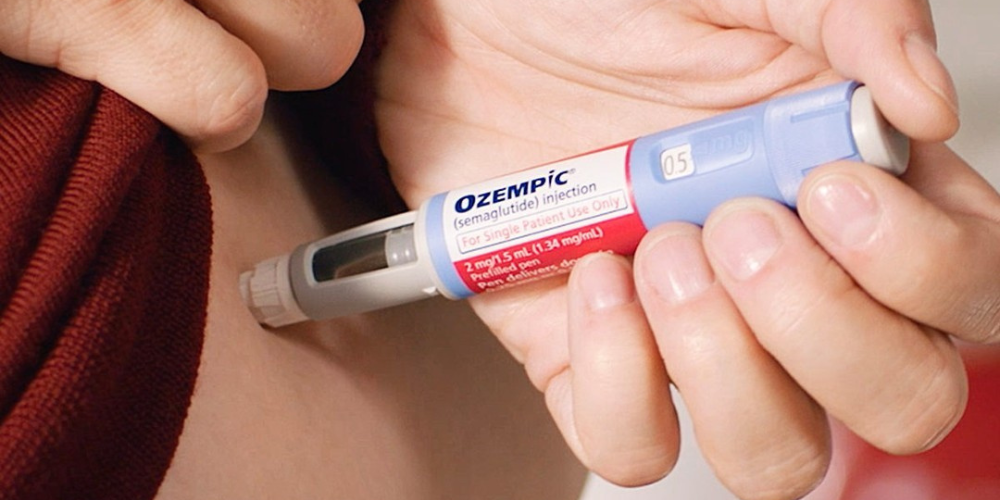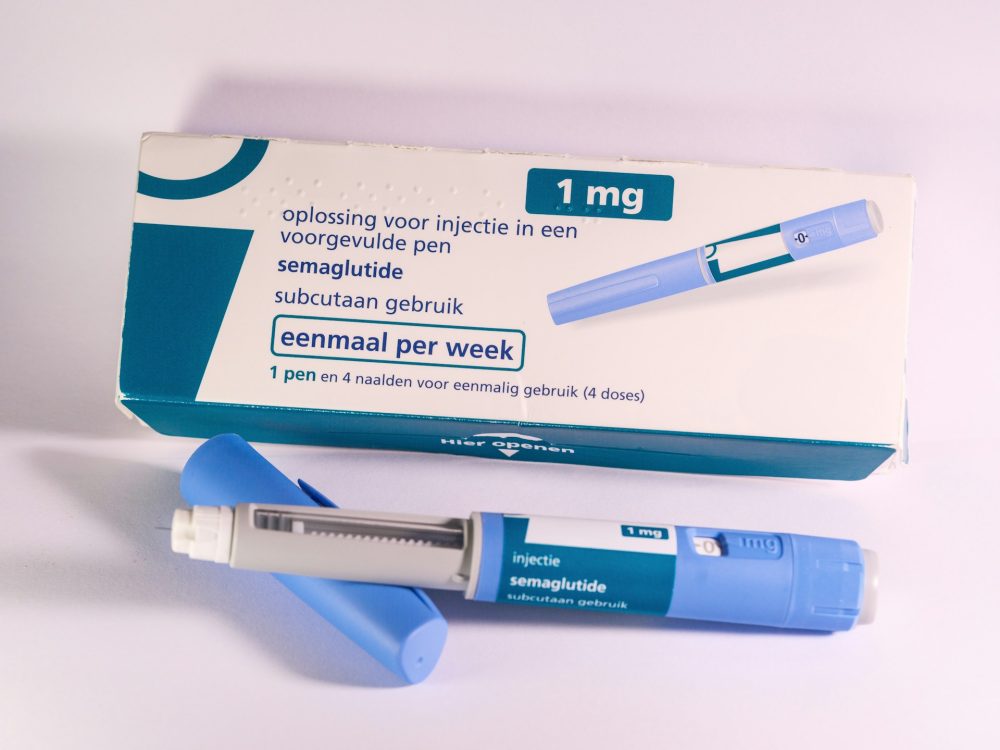
Medicare beneficiaries looking for affordable weight-loss treatment now have a new option. Starting July 1, a nationwide GLP-1 Bridge Program introduces access to selected weight-loss medications for a fixed $50 monthly copay for eligible Medicare Part D members.
The temporary initiative, scheduled to continue through the end of 2027, is designed to expand access to medications that have remained out of reach for many older adults because of their high cost.
The program marks an important shift in Medicare’s approach to obesity treatment. While it does not replace existing Medicare Part D drug coverage, it creates a separate pathway that allows qualifying beneficiaries to receive certain GLP-1 medications prescribed specifically for weight management.
According to a new analysis from KFF using 2023 Medicare Part D enrollment data, nearly 3.8 million beneficiaries could potentially qualify for the benefit.
What’s Covered Under the Program
The new 18-month demonstration allows eligible Medicare Part D beneficiaries to receive approved GLP-1 medications for a $50 monthly copay when prescribed solely for weight management and maintaining weight loss alongside healthy lifestyle changes.
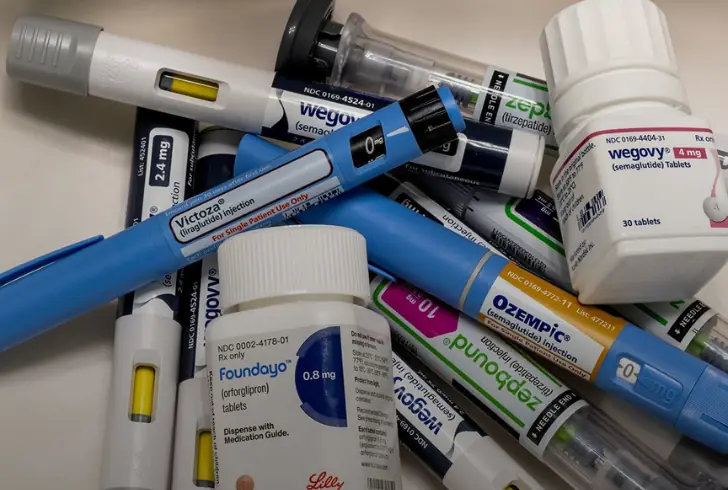
Covered medications include Wegovy injections, Wegovy tablets, Foundayo tablets and Zepbound KwikPen.
The Bridge Program operates outside the standard Medicare Part D benefit. Because of that, the $50 monthly payment does not count toward a beneficiary’s Part D deductible or Medicare’s $2,100 annual out-of-pocket prescription drug spending limit for 2026. The copay also cannot be included in the Medicare Prescription Payment Plan, which normally allows beneficiaries to spread prescription expenses throughout the year.
Although the program exists separately from Part D coverage, enrollment is limited to people who already belong to an eligible Medicare Part D stand-alone prescription drug plan or a qualifying Medicare Advantage plan that includes prescription drug coverage.
Who Can Participate?

The Centers for Medicare & Medicaid Services (CMS) estimates that most of Medicare’s approximately 57 million Part D enrollees belong to eligible plans. Individuals enrolled in less common Medicare arrangements, including the Program of All-Inclusive Care for the Elderly (PACE), may also qualify if they maintain eligible stand-alone Part D coverage.
Unlike traditional Medicare drug benefits, participating Part D plans will not process claims or handle authorizations. Instead, healthcare providers and pharmacists are responsible for identifying eligible patients and submitting the required paperwork.
CMS has selected Humana to administer the program. The company will process claims, review prior authorization requests, and reimburse participating pharmacies.
That distinction has raised concerns about potential confusion for beneficiaries.
Leigh Purvis, prescription drug policy principal at AARP’s Public Policy Institute, explained:
“Not only do the costs not count toward your out-of-pocket cap, your deductible or anything like that, if there is a problem, you need to go to Medicare. You do not go to your plan.”
Purvis added:
“And that’s where I think there’s going to be some confusion. It’s going to get complicated quickly.”
AARP plans to monitor the rollout closely while providing educational resources for Medicare beneficiaries experiencing enrollment or access issues.
“There are just a lot of places for things to potentially fall through the cracks,” Purvis said.
Why the New Program Matters
For years, Medicare generally covered GLP-1 medications only when prescribed to treat another qualifying medical condition. Patients with Type 2 diabetes, sleep apnea, or metabolic dysfunction-associated steatohepatitis (MASH) could receive coverage under Medicare Part D when those medications addressed those diagnoses.
Weight loss by itself did not qualify.
The Bridge Program changes that by creating a temporary pathway specifically for weight management.
Juliette Cubanski, Vice President and Director of the Program on Medicare Policy at KFF, believes the impact could be substantial.
“We could be talking about millions of people,” Cubanski said.
According to KFF, approximately 3.8 million beneficiaries—about 8% of the 47.5 million Medicare Part D members enrolled during 2023—meet the estimated eligibility requirements. These individuals met the program’s clinical criteria, had no diagnosis of Type 2 diabetes, sleep apnea, or MASH, did not receive Part D-covered GLP-1 prescriptions during 2023, and could qualify if their medical status remains unchanged.
Why Interest in GLP-1s Is Growing
GLP-1 receptor agonists were originally developed to help treat Type 2 diabetes by stimulating insulin release when blood sugar rises. Researchers later discovered that these medications also reduce appetite by helping people feel full sooner, leading to meaningful weight loss for many patients.
Studies have also linked GLP-1 medications to several additional health benefits, including:
1. Lower risk of kidney disease complications
2. Better heart health
3. Improved liver health
4. Treatment for sleep apnea in overweight adults
5. Potential protective effects for brain health
Despite those benefits, affordability remains a major obstacle.
A recent KFF poll found that 56% of current GLP-1 users struggle to pay for the medications, while one in four described the cost as “very difficult” to manage.
Why Medicare Beneficiaries Could Benefit

Weight-related health conditions remain common among older Americans.
The Congressional Budget Office reported that in 2021:
– 34% of Medicare beneficiaries were classified as obese, with a body mass index (BMI) of 30 or higher.
– Another 35% were considered overweight, with a BMI between 25 and 30.
Combined, nearly 69% of Medicare beneficiaries are estimated to be overweight or obese. Based on Medicare’s current enrollment of about 70.2 million people, that represents nearly 48.4 million individuals.
Around 81.3% of Medicare beneficiaries—roughly 57 million people—have Part D prescription coverage.
Yet GLP-1 use remains relatively low among older adults. According to KFF polling, fewer than one in ten Americans age 65 or older currently use these medications, compared with 22% of adults between ages 50 and 64. Researchers believe Medicare’s previous lack of coverage for weight-loss prescriptions contributed to that difference.
Eligibility Requirements
Not every Medicare beneficiary qualifies for the new Bridge Program. During a recent webinar hosted by the National Community Pharmacists Association, a CMS official clarified:
“This demonstration is for beneficiaries who do not have a medically coverable indication to receive a GLP-1 through their Part D plan now.”
The official also emphasized:
“The pilot program is not for beneficiaries with Type 2 diabetes, obstructive sleep apnea or MASH.”
Individuals already receiving Medicare coverage for GLP-1 medications because of those diagnoses—or because the medication is prescribed to reduce the risk of heart attack, stroke, or coronary bypass surgery—must continue obtaining coverage through their existing Part D plans instead of the Bridge Program.
Eligible participants must be at least 18 years old and satisfy one of several BMI-based clinical requirements when treatment begins.
Individuals with a BMI of 35 or higher qualify regardless of any additional medical conditions.
Those with a BMI of 30 or higher may qualify if they have Stage 3a or more advanced chronic kidney disease, heart failure with preserved ejection fraction, or uncontrolled high blood pressure despite taking two hypertension medications.
People with a BMI of 27 or higher may also be eligible if they have prediabetes, a previous heart attack, a previous stroke, or symptomatic peripheral artery disease.
Applicants must also satisfy CMS prior authorization requirements before medication approval.
How the Approval Process Works
Healthcare providers must first prescribe an eligible GLP-1 medication specifically for reducing excess weight and maintaining weight loss alongside diet and exercise.
The provider then submits a prior authorization request.
Once received, the pharmacy forwards the request to the Bridge Program administrator for review.
CMS expects most prior authorization decisions within 72 hours.
A CMS official explained during the webinar:
“Obviously, some prior authorization determinations will be made faster. Some of them, we hope, instantaneously. But we are committing to a 72-hour turnaround.”
Because of that review period, most patients should not expect to receive their medication during their initial pharmacy visit.
After approval, future monthly prescriptions generally do not require another prior authorization unless the patient switches to a different covered medication.
Providers Expect Early Challenges
Medical practices and pharmacies are preparing for the administrative changes that accompany the new program.
Anders Gilberg, Senior Vice President of Government Affairs for the Medical Group Management Association, said additional education remains necessary for both healthcare providers and patients.
“Outreach is still needed to fully inform both patients as well as providers about the program,” Gilberg said.
He also noted the number of variables involved during patient eligibility reviews.
“I imagine that we’ll figure it out. But there are so many variables, like: What kind of plan do you have? What are your diagnoses? There are just a lot of variables that are going to have to be worked through in each instance of a doctor prescribing one of these for a patient on Medicare.”
Independent pharmacies are also preparing for the rollout.
Lisa Schwartz, Senior Director of Professional Affairs at the National Community Pharmacists Association, encouraged patience during the program’s early months.
“Fortunately, once the prescriber completes prior authorization for the drug, the program uses routine pharmacy processes,” Schwartz said.
She also advised patients to allow healthcare providers and pharmacies extra time while everyone becomes familiar with the new procedures.
Why CMS Created the Bridge Program
CMS hopes that providing lower-cost access to GLP-1 medications will improve long-term health while reducing future healthcare spending tied to obesity-related illnesses.
The Bridge Program was originally planned as a six-month initiative ending in late 2026. Officials later extended it through the end of 2027 after postponing a larger Medicare demonstration known as BALANCE.
The BALANCE program had been expected to begin in January 2027 and continue through 2031 through Medicare Part D. It would have covered multiple GLP-1 products, including all formulations of Mounjaro, Ozempic, Rybelsus, Wegovy, along with the KwikPen versions of Foundayo and Zepbound.
CMS announced in April that BALANCE would be delayed indefinitely while data from the Bridge Program is collected and analyzed. Those findings will help determine whether the larger demonstration moves forward in the future.
Meanwhile, the BALANCE model officially launched within Medicaid during May 2026 and is expected to continue through the end of 2031.
The Bridge Program also aligns with several federal initiatives announced during the Trump administration to improve access to GLP-1 medications. Agreements reached with Eli Lilly and Novo Nordisk in late 2025 aimed to reduce consumer costs, while the TrumpRx discount program introduced lower GLP-1 prices earlier this year.
Medicare also selected Ozempic, Rybelsus, and Wegovy among the 15 medications included in the 2025 Medicare drug price negotiation program, with lower negotiated prices expected to take effect in 2027. Medicare spent approximately $15.2 billion on those three medications during 2024.
Research estimates Medicare could spend about $65.9 billion on GLP-1 medications over the next decade. At the same time, broader use may reduce healthcare treatment costs by an estimated $18.2 billion, resulting in a projected net increase of $47.7 billion.
What the New Benefit Means for Medicare
The Medicare GLP-1 Bridge Program introduces a temporary but meaningful change for eligible beneficiaries seeking prescription weight-loss treatment.
While the program includes strict medical requirements, prior authorization, and a separate claims process, it gives millions of Medicare Part D members access to medications that previously remained beyond reach because of cost or coverage restrictions.
As CMS tracks participation through 2027, the results will shape future decisions on whether broader Medicare coverage for GLP-1 weight-loss medications becomes a permanent option.