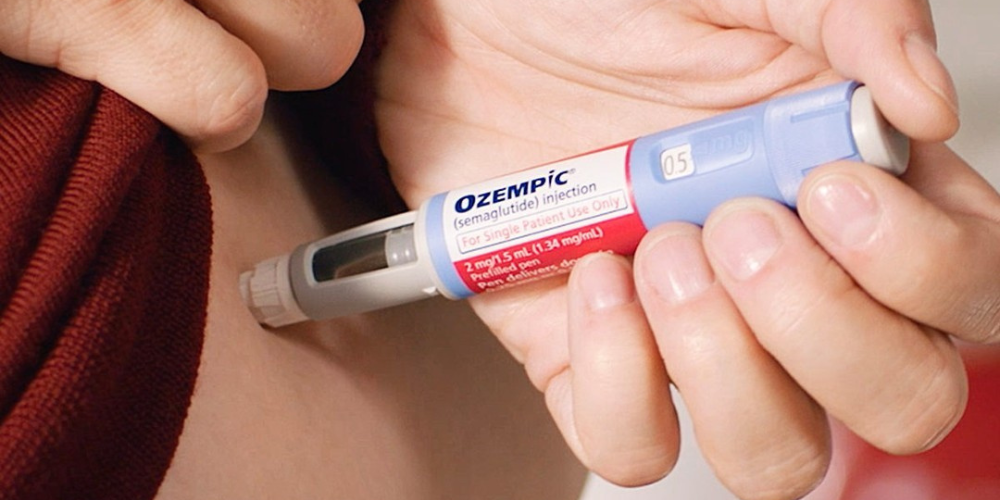
For many people living with obesity, the struggle is not about motivation. It is about fighting a cycle that keeps repeating itself. Strict meal plans, exhausting workout schedules, and giving up favorite foods may lead to short-term results, but the weight often returns. That pattern leaves many people frustrated, emotionally drained, and confused about why their efforts stop working.
Doctors now say obesity is not simply linked to overeating or inactivity. The condition involves hormones, metabolism, sleep patterns, stress levels, and several medical factors that can quietly interfere with long-term weight control.
According to Dr. Lokesh L. V., Lead Gastroenterologist at Sparsh Hospital, the body itself can begin resisting weight loss after long periods of dieting.
Why the Body Stops Responding to Diets
At the beginning of a diet, lowering calorie intake can produce visible results. Over time, however, the body adjusts to reduced food intake in ways that make continued weight loss harder. “When the body experiences long periods of calorie restriction, metabolism may slow down to conserve energy,” explains Dr. Lokesh.

As metabolism slows, the body burns fewer calories. At the same time, hunger hormones may rise, cravings can become more intense, and appetite control becomes difficult. This response often causes weight-loss plateaus, even among people following disciplined diet routines.
Doctors also point to several health conditions that can quietly interfere with weight management. Hormonal disorders such as hypothyroidism and polycystic ovary syndrome (PCOS), insulin resistance, chronic stress, poor-quality sleep, and certain medications may all affect fat storage and hunger signals.
In many cases, healthy habits alone may not solve the problem because the underlying medical issue remains untreated.
Obesity Care Has Changed
Medical experts now approach obesity treatment differently than they did years ago. Diet and exercise still remain important, yet doctors increasingly recommend medical interventions for people who struggle to maintain results through lifestyle changes alone.
One procedure gaining attention is Endoscopic Sleeve Gastroplasty (ESG). Doctors perform ESG using an endoscope inserted through the mouth, which means there are no external cuts or surgical incisions. The procedure reduces the size of the stomach, helping patients feel full faster and eat smaller portions during meals.
Unlike traditional bariatric surgery, ESG usually involves a shorter recovery period and lower procedural risks. Specialists say the treatment may support long-term weight reduction when paired with healthy eating habits and regular physical activity.
What Is an Intragastric Balloon?
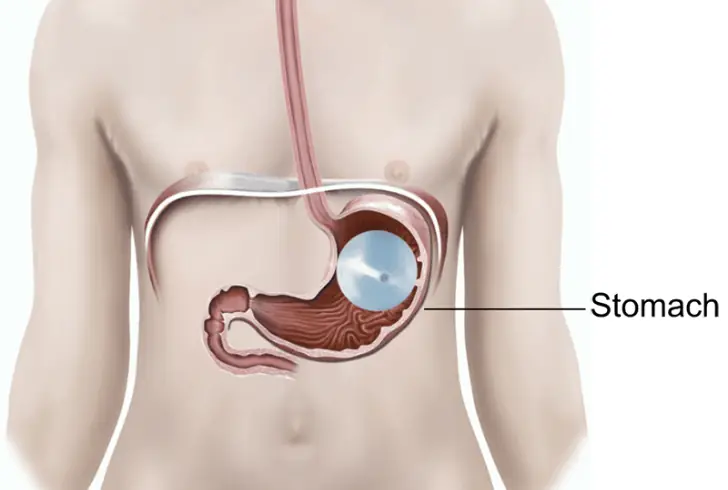
Another option now used in obesity care is the Intragastric Balloon procedure. During this treatment, doctors place a temporary balloon inside the stomach to reduce available space for food.
The balloon helps patients feel satisfied sooner, which can encourage portion control and healthier eating patterns. Doctors often recommend this option for individuals who need structured support with weight reduction but may not require surgery.
Patients who previously underwent gastric bypass surgery and later regained weight may also benefit from a treatment called Transoral Outlet Reduction, commonly known as TORe.
This procedure reduces the size of the gastric outlet and pouch opening, helping patients feel fuller after meals and improving weight-loss efforts once again.
These Treatments Are Not Quick Fixes
Doctors stress that medical procedures alone cannot replace long-term healthy habits. Sustainable weight loss still depends on balanced nutrition, physical activity, medical supervision, and realistic lifestyle changes.
“These procedures are not replacements for healthy habits, nor are they quick fixes. Their effectiveness depends on long-term lifestyle changes, medical supervision, and choosing the right intervention for the right patient,” says Dr. Lokesh.
Specialists now encourage patients to look beyond repeated crash diets when progress stalls. Understanding how the body reacts to weight loss may help people choose treatments that support long-term health instead of temporary results.
Obesity treatment is moving toward a more medical and individualized approach. Experts say repeated dieting failures do not always reflect a lack of discipline. In many cases, the body is responding to biological changes that make weight management increasingly difficult over time.
With procedures such as ESG, Intragastric Balloon therapy, and TORe becoming more widely discussed, patients now have additional options alongside traditional lifestyle changes. Doctors believe the combination of medical guidance, nutrition support, and personalized treatment plans may offer a more sustainable path for people who have spent years struggling to maintain weight loss.