Weight loss is hard, but the right nutrition therapy can make it doable. Not easy, not instant, but sustainable. That is the goal. The truth is that there is no one-size-fits-all diet. Success comes from structure, support, and real strategies grounded in science.
Forget magic foods or celebrity trends. What works is a plan built for you – your body, your health, and your life.
What Is Nutrition Therapy & Why Does It Work?
At the heart of smart weight loss is Medical Nutrition Therapy (MNT). This is a personalized nutrition strategy led by a Registered Dietitian (RD) who considers your complete picture, including your medical history, daily habits, and even your food preferences and dislikes.
The RD creates a custom plan that usually cuts about 500 to 750 calories a day. Expect to lose around 1 to 2 pounds (or approximately 0.5 to 1 kilogram) per week. More importantly, you learn skills like portion control, smarter food swaps, and how to eat in real life, not just on a plan.
Short-Term, High-Impact Programs Work Too
For people who want a faster start, structured short-term programs can help. These usually run for six months or less but pack in a full support system. You get meal planning, exercise advice, and behavior coaching all in one place.
These intensive setups are ideal for getting real results early on. The structure keeps you accountable. The variety keeps things interesting. The coaching keeps you going when motivation dips. These aren’t forever plans, but they help you build habits that last.
Studies show these multi-part programs are some of the most effective for initial weight loss. When you combine a solid diet with activity and mental support, everything clicks faster.
Trying to out-exercise a bad diet? Doesn’t work. In fact, working out without adjusting your diet can make you hungrier and undermine your efforts. On the flip side, changing food without exercise can mean you lose muscle, not just fat.
But when you combine the two with expert guidance, you create a system that works from every angle. Your food fuels the weight loss. Exercise protects your strength and health. Coaching keeps you on track when things get tough.
Rapid Weight Loss Can Be Safe
There is one more option for certain people, especially those with serious health issues like type 2 diabetes: Very-Low-Calorie Diets (VLCDs). These are medically supervised plans that drop calorie intake to under 800 per day, often using specialized shakes or meal replacements.
These diets can lead to major weight loss, 10 to 15% of body weight, fairly quickly. But they are not DIY plans. Done without medical oversight, VLCDs can be risky. They are designed for specific cases and should only be used with a doctor’s approval and monitoring.
For the right person, they can be a life-changing tool. But they aren’t for casual weight loss or quick fixes.
What Doesn’t Work?
Most people fail at weight loss not because they don’t try hard enough, but because the approach is wrong.
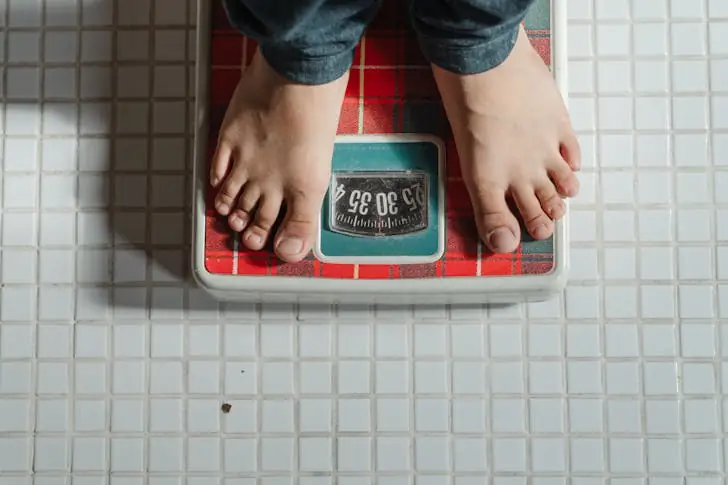
Why? These diets are tough to follow. They make social eating hard, cause nutrient gaps, and just feel exhausting.
The weight often comes right back when the diet ends. And most people quit before they get that far.
Another myth is that exercise alone can fix everything. It can’t. Exercise is vital for heart health, mental clarity, and energy. But it is not enough for real weight loss without food changes. The body adapts. You burn more calories, then crave more food. Without a calorie deficit, you stall.
The most dangerous pitfall? Doing a VLCD without medical help. These extreme plans can affect your heart, kidneys, and metabolism. You might lose muscle, feel dizzy, or even end up in the hospital. And since they don’t teach you how to eat long-term, the weight usually returns with a vengeance.