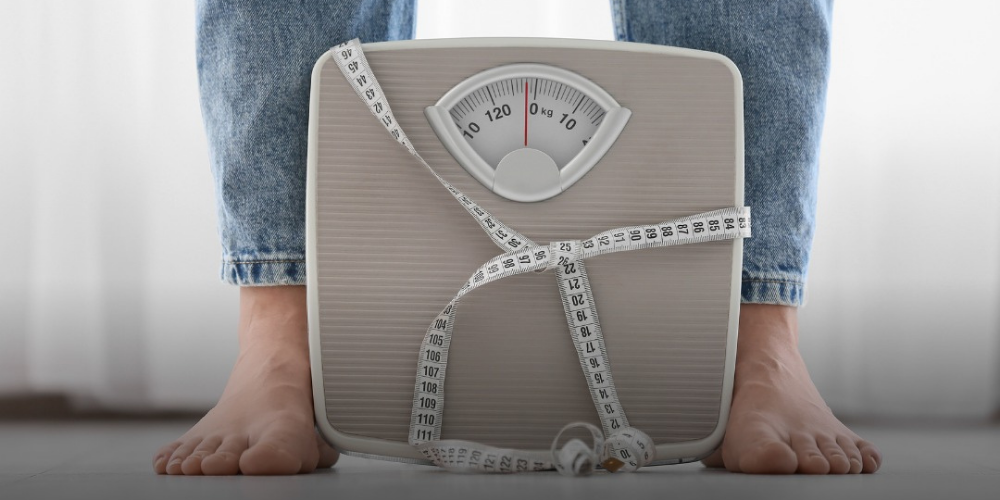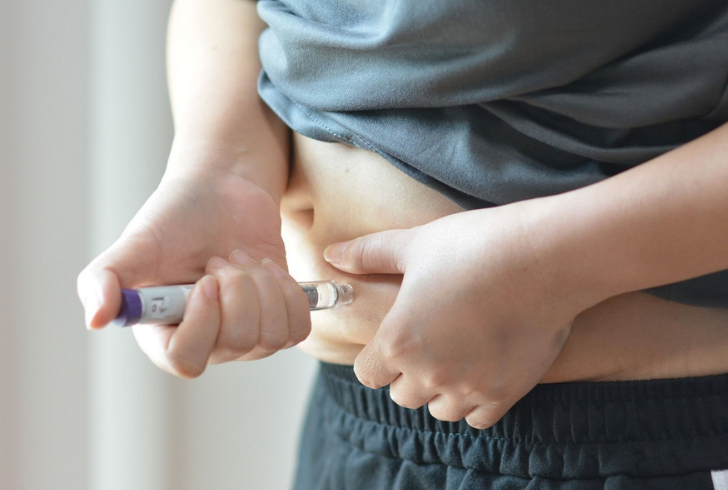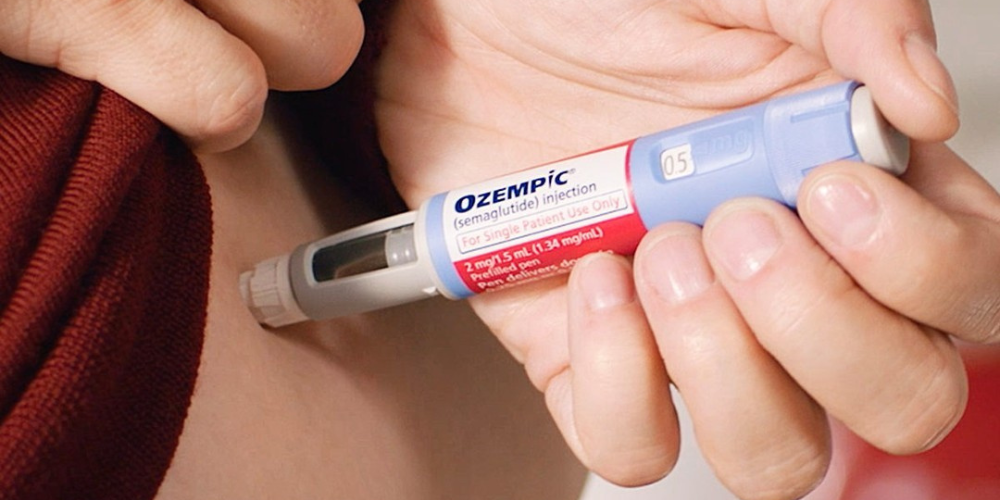
The Trump administration is flipping the script on obesity care. Starting in 2026, it plans to test coverage of pricey weight-loss drugs like Ozempic, Wegovy, Mounjaro, and others under Medicare and Medicaid. This is a sharp pivot from last year’s rejection of a similar idea pushed during the Biden years.
If approved, this five-year pilot program could shift how America treats obesity. The goal is to see if covering GLP-1 drugs helps patients and saves money long term. The catch? It is optional, so results will depend on how many states and Medicare plans actually join in.
A New Angle on Obesity Treatment
The Trump administration plans to run this program through the Center for Medicare and Medicaid Innovation, also called CMMI. This office is known for testing new ways to make healthcare more efficient and less expensive. They will monitor costs, outcomes, and whether people stick to these drugs over time.
The pilot kicks off with Medicaid in April 2026. Medicare follows in January 2027. Both pilots will allow certain plans to cover GLP-1 drugs not just for diabetes, but also for obesity, something that has never been done at the federal level.
Why This Is a Big Deal
Until now, Medicare didn’t pay for weight-loss drugs unless you had Type 2 diabetes. That left out millions of older Americans dealing with obesity alone. Only 13 state Medicaid programs currently cover these meds for weight loss.
With this move, the Trump administration is signaling that obesity might finally get the medical attention it deserves. The Obesity Medicine Association agrees, calling the shift “long overdue.” They argue that obesity is a disease, not a willpower issue, and should be treated like any other chronic condition.
Here is the issue, though. These drugs don’t come cheap. Annual costs run between $5,000 and $7,000 per patient. If Medicare covers them widely, it could cost up to $35 billion from 2026 to 2034, a massive jump in spending.
Insurers and some lawmakers are pushing back. They say the U.S. pays way more than other countries for these same drugs. For example, Ozempic costs five times more here than in Japan. Covering these meds could blow a hole in the budget unless drug prices drop.
But HHS Secretary Robert F. Kennedy Jr. is urging caution. He prefers old-school strategies like diet and exercise and warns about getting too cozy with Big Pharma.
Then there is the long-term issue. These drugs only work while you are on them. Studies show that once people stop taking them, they tend to gain the weight back. That makes it hard to call them a permanent solution.
Drugmakers like Novo Nordisk and Eli Lilly have been pushing for this kind of coverage for years. It is no surprise they are celebrating. If the pilot goes well, it could unlock access for tens of millions of people and bring in billions in new revenue.
Eli Lilly’s new drug Orforglipron might also be part of the plan, if it gets FDA approval by 2026. It is still in trials, but analysts say it could be a game-changer in the GLP-1 space.