Fiber is a carbohydrate that can be found in plant foods that plays a crucial role in a healthy diet. Although, if you’re looking for something that can fuel your body, this is not it. It’s hard for your small intestines to digest fiber unlike other kinds of carbs. With its structure, it’s hard to break it down to use as energy for your body. However, that doesn’t mean that it isn’t good for your nutrition.
There are actually two kinds of fiber, in case you didn’t know. Soluble fiber and insoluble fiber do different things but both are valuable to your body. Here’s how:
Soluble Fiber
Soluble fiber can be dissolved in water. It slows down your digestion by absorbing water and swelling up into a gel-like substance in your stomach. In this form, it will be broken down by bacteria in the large intestine and eventually help provide a few calories.
One of the main benefits of soluble fiber is that it can slow down the absorption of certain substances that can have harmful effects on your health if you have high volumes of it inside your body. For instance, it can help regulate blood sugar levels by slowing down carbohydrates that enter the bloodstream.
When you drink orange juice, it will be metabolized quickly and will, therefore, increase your blood sugar level faster. On the other hand, if you consume an orange fruit, the sugar uptake will only be gradual due to the soluble fiber in the citrus.
Soluble fiber can also lessen the risk of heart disease by regulating the absorption of dietary fat and help in lowering bad cholesterol.
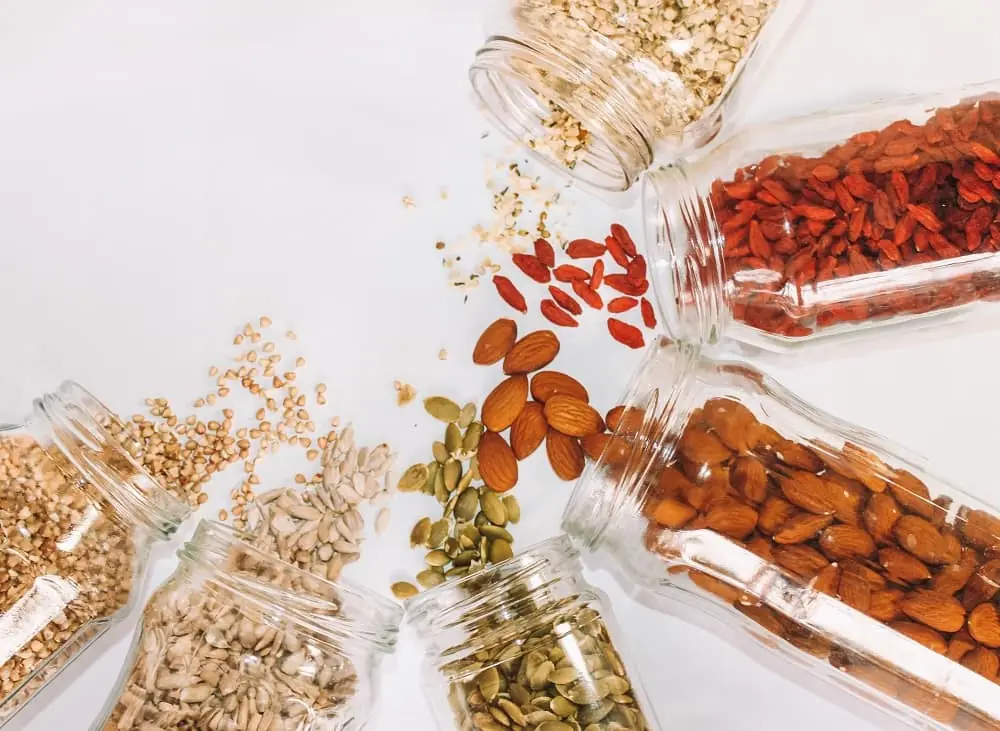
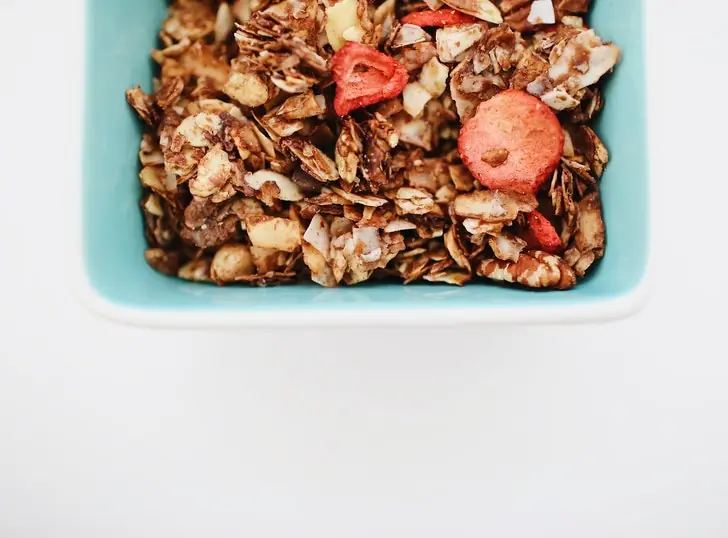
It is mainly present in plant foods like nuts, barley, oats, beans, lentils, peas, chia seeds, citrus fruits, and berries. It is also found in some veggies like carrots, winter squash, artichokes, and broccoli.

Insoluble Fiber
As the name suggests, insoluble fiber can’t be dissolved in water. Aside from that fact, it’s also the opposite of soluble fiber in terms of its function. While soluble fiber slows the digestion, insoluble fiber helps move digestion and adds bulk to your stool. It’s the kind of fiber you’re probably more familiar with.
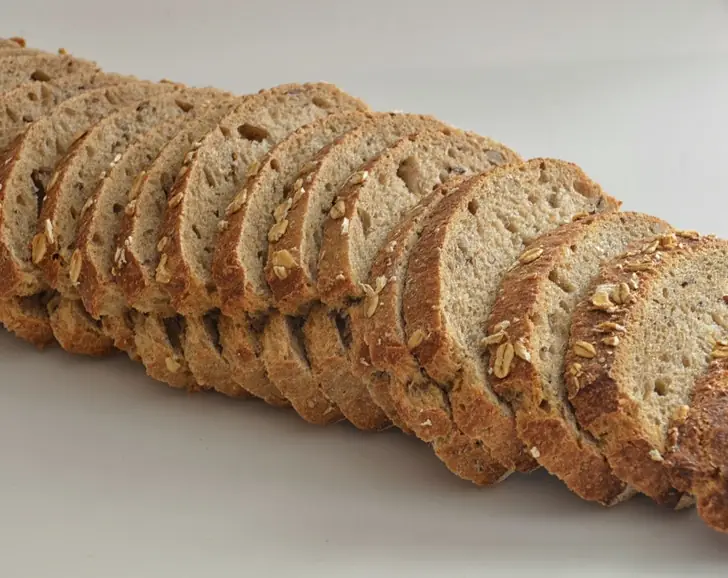
The insoluble fiber in plant foods like whole grains, nuts, beans, and some veggies like cauliflower, green beans, and potatoes help prevent and treat constipation as well as hemorrhoids. It can also aid in treating irregular bowel movements.
It also helps in managing your weight as the added volume of eating insoluble fiber-rich food can make you feel fuller after your meal. This is also something that soluble fiber can do.
Even though they have different roles, nothing is better than the other. On the contrary, we need a balance of both in our diets. However, you shouldn’t overthink it too much. Consuming too much of something good may turn out bad, and it’s the same for fibers.
Overloading fiber in your diet can make you experience stomach cramps, bloating, and even gas. Taking fiber supplements or fiber-fortified food to make up for a low-fiber diet can also cause the same things.