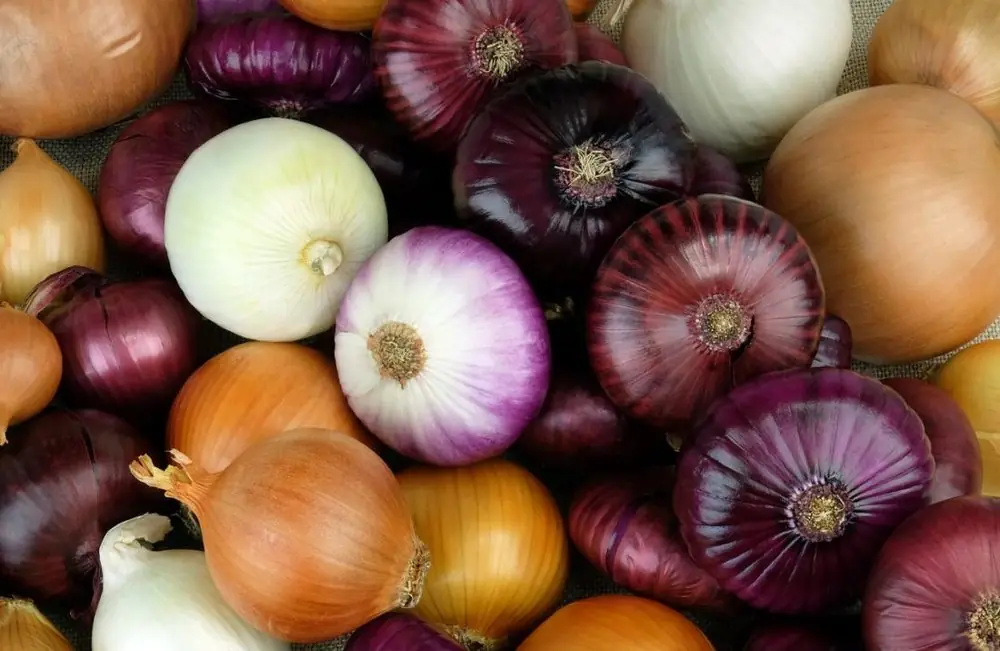
Onions are one of the most common and versatile ingredient found in almost every kitchen and has been held in high regard for centuries. Whether you like them cooked, raw, fried or caramelized, onions don’t just deserve a spot on your cutting board for their delicious flavor, but also for numerous health benefits. Be prepared to cry some tears of joy!
According to archeologists’ discovery, onions have been around since 5000 B.C. and were even worshipped by Egyptians in ancient times due their unique round shape and concentric structure which signified the concept of eternity.
In the Middle Ages, onions were highly valued and even used as money to buy goods and services or given as presents. No wonder this inexpensive veggie is still considered an excellent health food with numerous benefits.
Onions Reduce Cancer Risk
Along with its Allium cousin, garlic, onions have long been considered an excellent food for reducing the risk of various cancers. A highly accredited study published in American Journal of Clinical Nutrition observed participants who consumed varying amounts of garlic and onions in their diets.
After a few years, the researchers found that people who consumed more of these two vegetables significantly reduced their risk of cancers in comparison to those who didn’t eat them at all. This means that the more garlic and onions you eat, the lower the chances of getting cancer.
Onions Contain Plenty of Antioxidants
Although Onions aren’t high in their vitamin and mineral content but one-medium sized vegetable can fulfill 20% of your vitamin C as well as 10% of manganese, potassium and folate requirement. But where onions lack in nutrients, they make up for in their antioxidant content. Packed with anti-inflammatory properties, this vegetable contains more than a dozen of different types of antioxidants including quercetin which packs the greatest anti-inflammatory punch.
Onions Increase Bone Density
Apart from high antioxidant content, onions are also amazing for people in old age who suffer from osteoporosis and weak bones. One study looked at postmenopausal women above the age of 50 and observed their daily consumption of onions. Those who ate the vegetable more frequently had 20% stronger joins and high bone density in comparison to women who didn’t eat onions often. This means that incorporating onions in your diet can decrease the risk of hip fracture in old age.
Onions Aid in Digestion
Onions are abundant in a type of fiber called inulin which is a great source of prebiotics. Prebiotics help in the growth beneficial gut bacteria which aid in digestion, regulation of blood sugar and absorption of nutrients. Inulin is also beneficial for developing healthy bone density and curbing appetite, which in turn supports weight loss.
Onions are Better with Tomatoes
Onions are delicious and nutritious on their own, but when paired with other vegetables like tomatoes, they create food synergy – which means that the combined benefit of having the two foods together outweighs their nutritional value when eaten independently.
The sulfur content in onions boosts the absorption of an important antioxidant in tomatoes called lycopene, which improves eyesight, brain health and reduces risk of cancers and cardiovascular diseases. There are plenty of ways you can use tomatoes and onions together: soups, salads, omelets and sautés are all delicious with this veggie combination.
Onions are great for Managing Cholesterol
A diet rich in onions is also beneficial for reducing cholesterol and shedding excess weight, as found in a recent study which observed obese women who suffered from polycystic ovary syndrome. Researchers divided the participants into two groups: one was assigned to a diet with plenty of onions whereas the second group consumed fewer onions on their diet. In the end, women who ate more onions reduced their cholesterol levels more than the group on a low-onion diet.
In another study, 24 female participants with high cholesterol were asked to follow an onion juice diet for eight weeks after which it was found that they had significantly reduced their cholesterol levels –especially bad LDL cholesterol – and had even lost weight.