A new report shows a sharp rise in cancer diagnoses, especially among young adults. While no single diet can prevent cancer, research suggests that eating more plant-based foods may lower the risk. Making better food choices can strengthen the body’s natural defenses and help reduce the likelihood of developing cancer over a lifetime.
A plant-based diet focuses on whole, natural foods from plants. It includes vegetables, fruits, legumes, nuts, seeds, and whole grains while limiting or eliminating processed foods and animal products. The goal is to eat nutrient-rich, fiber-packed foods that support overall health.
This way of eating is not about strict rules, though. It is about adding more whole foods to daily meals. Even small changes – like replacing processed snacks with fresh fruit or swapping white rice for quinoa – can make a difference.
Fiber Is a Simple Way to Cut Cancer Risk

Eating more fiber supports digestion and helps regulate blood sugar, which can lower the risk of several diseases, including cancer. Fiber also promotes a healthy gut, reducing inflammation that could lead to cell damage.
A study on young women finds that those who eat a fiber-rich diet are significantly less likely to develop breast cancer later in life. High-fiber foods like beans, whole grains, and leafy greens help flush toxins out of the body, keeping cells healthier for longer.
Plant Compounds That Fight Cell Damage
Fruits, vegetables, and whole grains contain natural compounds called phytochemicals. These powerful substances help protect cells from damage that can lead to cancer.
Phytochemicals have antioxidant properties that neutralize harmful molecules in the body. Studies suggest that eating foods rich in these compounds, like berries, cruciferous vegetables, and green tea, can lower the risk of several types of cancer.
Choosing Healthy Fats Can Make a Difference
Not all fats are bad. The type of fat you eat matters. Replacing saturated fats, like butter, with plant-based oils can lower cancer risk. Research shows that people who swap just a small amount of butter for healthy plant oils reduce their cancer-related mortality risk.
Olive oil, avocado oil, and nut-based oils offer heart-friendly benefits along with cancer-fighting properties. They reduce inflammation and support healthy cell function, both essential for disease prevention.
Why the Mediterranean Diet Works
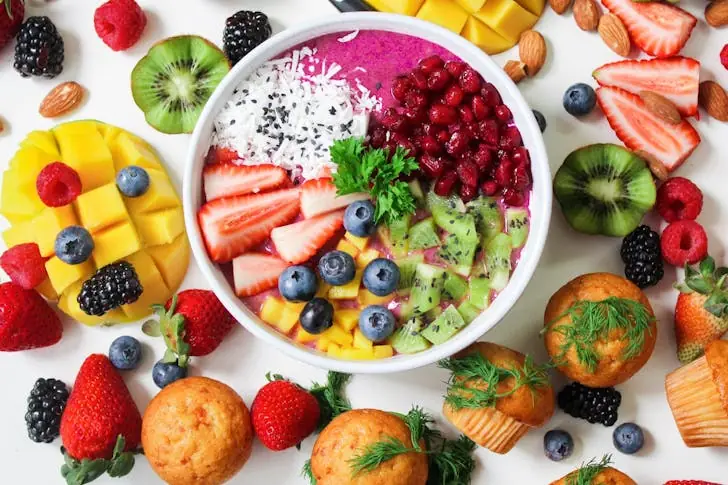
The Mediterranean diet is one of the best models for cancer prevention. It emphasizes fresh, whole foods like vegetables, fruits, whole grains, legumes, and nuts while including moderate amounts of fish and healthy oils.
The combination of fiber, antioxidants, and healthy fats creates a protective effect. It reduces inflammation and supports immune function.
Small Changes Can Have a Big Impact
Switching to a healthier diet doesn’t require drastic changes. Simple adjustments can make a real difference in cancer prevention.
Adding more plant-based foods to meals is a good start. Choosing whole grains over refined ones, replacing red meat with beans or lentils, and snacking on nuts instead of processed foods can improve overall health.
Limiting processed and sugary foods also plays a role. Highly processed meats, like bacon and sausage, contain compounds linked to cancer. Cutting back on these foods and focusing on natural, nutrient-dense options helps reduce risk.