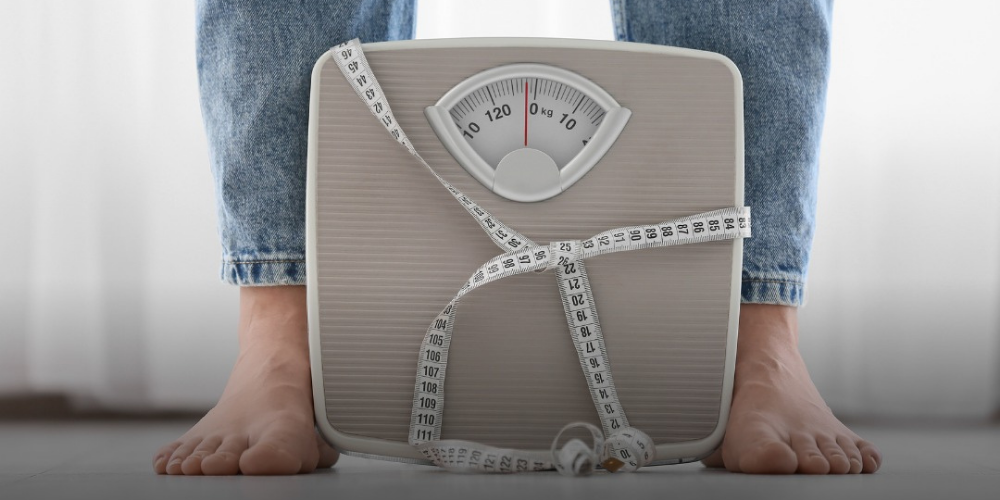
Most of us have a complicated relationship with weight and spend most of our days on the scale, letting our minds wander off to other probabilities. Weight loss, maintenance or gain can be tricky to navigate, but weight fluctuations are common because various factors determine your body weight. These include how hydrated you stay throughout the day, what you recently ate, your bathroom habits, climate, and your exercise routine. A few extra pounds here and there are not usually the result of fat gain but instead a result of a healthy body and muscle development.
Pros and cons of weighing yourself

Stepping on the weight scale helps you stay aware of your weight and thus stay one step ahead on your overall health maintenance and regulation. Frequent weight checks can help you accept weight fluctuations and spot serious health issues like heart problems. Weight can fluctuate because of different things: your fluid intake, your hormone levels, and even your activity levels. However, you must understand that the scale is not a measure of success; it only reads numbers. The sore job of the scale is to give you feedback, awareness, and accountability and help you be mindful of how your body is doing, not a reading indicating to restrict yourself from eating or pushing yourself beyond your limits.
Becoming obsessive about your weight can have serious negative effects on your mental health and self-esteem. Some people start feeling unhappy or upset when the numbers don’t show what they expected and often find themselves worrying too much about weight. This, in turn, leads to unhealthy habits such as disordered eating and skipping meals. Doctors recommend measuring inches instead of pounds to see how your body is changing for the better.
How to develop a good relationship with weight

Body positivity and weight loss aren’t mutually exclusive; positivity lies in how you set your intention and goals to be happiest with you. The first step to maintaining a healthy body is to ask yourself how much you need to check your weight on a daily, weekly, and monthly basis. Many people find weighing in daily provides them with a sense of accountability and is helpful for having a good understanding of where their body maintenance progress stands. However, others find daily check-in to affect your mood and behavior, you may want to reconsider your weight check routine.
Your weight can fluctuate throughout the day; hence, the best time to weigh yourself is first thing in the morning. As you measure your progress, you’ll find yourself getting more accurate and precise results by weighing yourself at a fixed time daily.
Weekly weigh-in:

Weekly weight checks are an effective tactic to stay aware of your weight, especially if you are motivated to maintain your weight.
Daily:
Daily weighing is recommended for those who are really committed to losing body mass. Research has proved that it can be quite helpful to note the smallest changes throughout your day and catch the little ups and downs that directly affect your weight.