
Christmas is already gone and New Year’s is just about here. And throughout this festive season, you have to agree that food has been the topic of discussion almost everywhere.
It has been all over social media, bloggers have written about it, and you must have seen the commercials on TV.
This fuss is totally understandable given what season it is, but is the information being spread out here really credible?
Everyone is passing off their directive as the right way to feed, but have you noticed that some of their suggestions seem restrictive?
Thankfully, Self Magazine’s Wendy Lopez, an author as well as Registered Dietitian and Certified Diabetes Educator gives her insights on just how to handle food during this season. Let’s pick her mind, shall we?
Emotional Hunger
According to the RD, emotional hunger is a valid concept. She says that by identifying the distinction between satisfaction, fullness, and hunger, feeding during the festive season becomes less distressing.
In truth, you may be full but not satisfied, a phenomenon that Lopez agrees with. Do you ever crave for dessert even after your stomach can’t possibly hold anything more? Exactly her point. And as she puts it, it is okay to indulge your emotions and have that dessert. Only then, the RD continue, will you be truly satisfied.
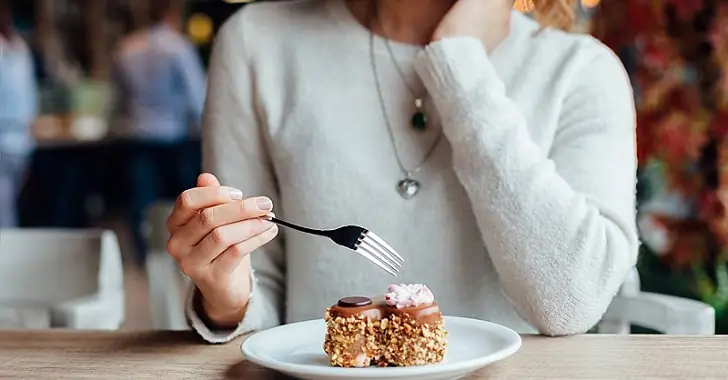
She also ties the concept of emotional hunger to family and explains it using the analogy of visiting your grandma. If she offers you some pie, you’ll feel obliged to gobble it up, won’t you? It won’t matter if you’d had a full course meal before the visit.
Gentle Boundaries
All the same, don’t let your emotions drive you into over or underfeeding. Do you have that relative who always offers you something to eat every other second? Or that other one who is always thinking out loud about how you really don’t eat much?
Admittedly, these external pressures may force you into eating habits that you don’t appreciate. And should you fail to stand your ground, you may end up feeling trapped around the family dinner table.
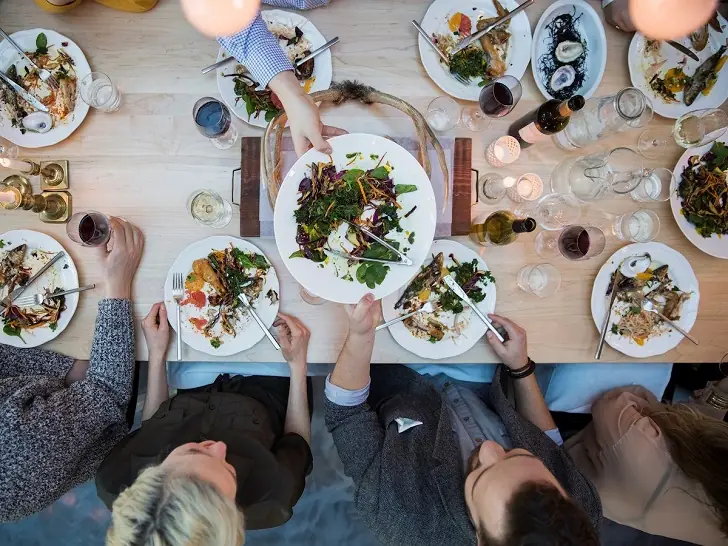
To avoid such an eventuality, Lopez suggests setting gentle boundaries with your family. When loved ones comment of your feeding habits, it often always comes from a place of love. Treat is as such, respond in kind, but make firm your stand.
If offered food, you can compliment their cooking, but proceed to state that you’re full. You can then suggest for it to be packed so that you take it with you when you leave later.
You can also use this concept when someone brings up the weight issue, where redirecting the conversation serves to set boundaries.
Saving Room for Later
Either intentionally or subconsciously, most people find themselves skipping the little meals to save room for the bigger feast.
However, RD Lopez says that this is an ill-constructed concept. As it turns out, you won’t end up enjoying that feast you were really looking forward to.
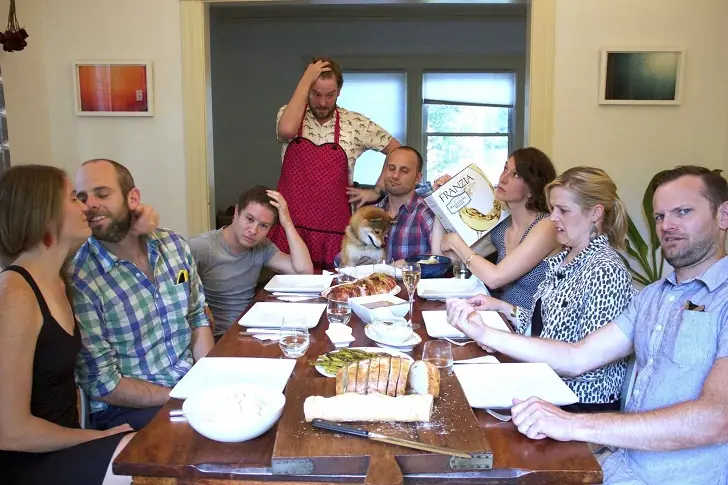
According to the dietitian, you enjoy a meal much, much more when you are comfortably hungry. When ravenous, as you’ll be if you skip earlier meals, you’ll end up eating faster than you normally do. You end up not savoring the meal as much as you would have loved.