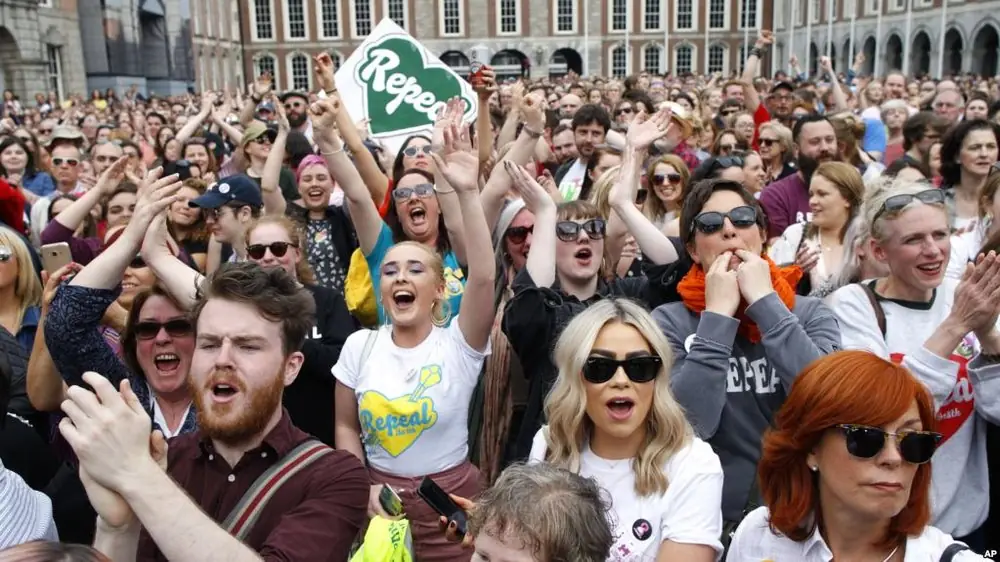
Restrictive abortion laws in Ireland are about to change for the better after the country chose to repeal the constitution’s eighth amendment in a landslide vote, according to exit polls.
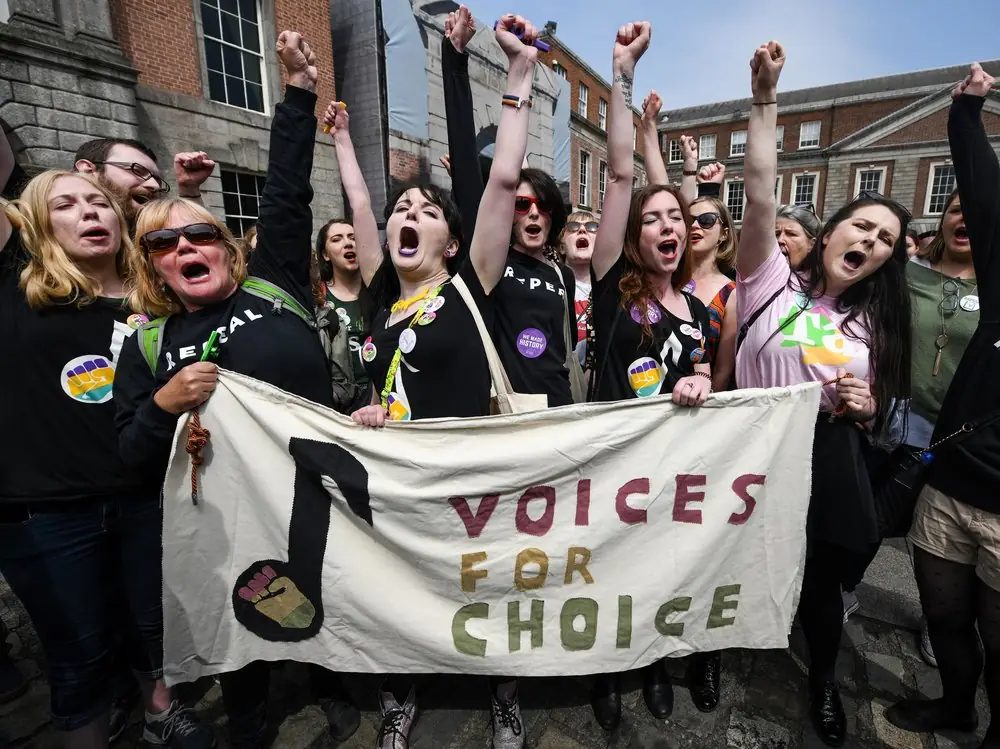
A Landslide Victory
Ireland has spoken through a landslide vote that it wants the ban on abortion to be lifted, a historic victory for women’s rights in a country that has been known for its religious conservatism. After the historic vote, Ireland has now established itself as one of the most liberal democracies in Europe, with two-thirds of the Irish population in favor of repealing the eighth amendment to the constitution.
The repeal crushed the prediction of opinion polls which suggested that the election could be an extremely close call. The landslide vote has proved that Ireland is ready to embrace women’s rights and gender equality with open arms.
Leo Varadkar, who spearheaded the campaign for a repeal was thrilled by the results. In an interview, he said that this week’s referendum was the product of a revolutionary wave that has been taking over the country for the past two decades. The vote also made history by becoming the first ever ballot on social issues to draw such a massive turnout – an astounding majority of 66.4 per cent of the voters said ‘yes’ to repeal the eighth amendment, despite the controversy of the campaign and pushback from religious communities.
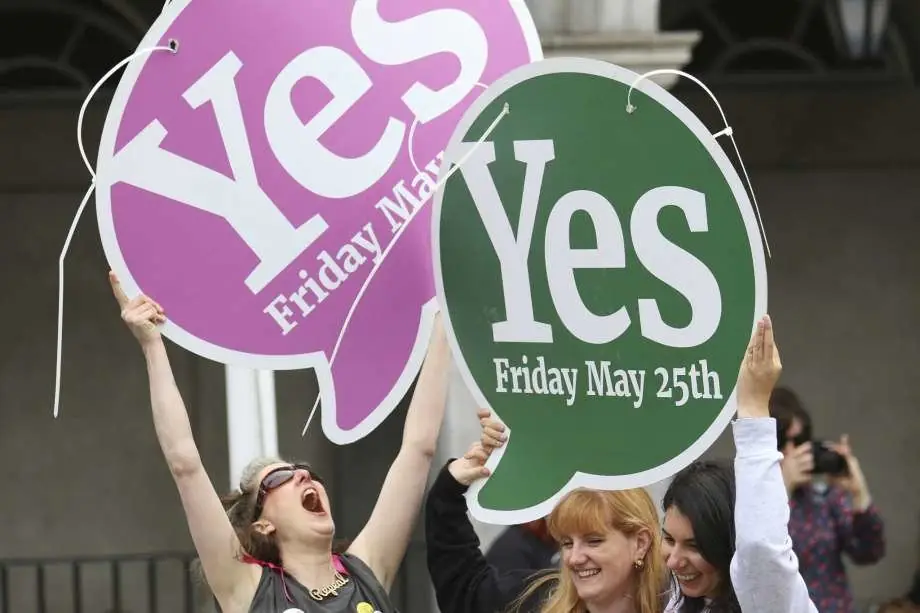
After the landslide victory, Varadkar made an appearance at Dublin Castle to rejoice with other Yes voters. The Irish politician said that for the first time, the nation stands united to welcome change and fight for women’s rights. Donegal was the only constituency in Ireland to cast a majority vote in favor of upholding the abortion ban.
One of the Most Popular Referendums in History
More than 64 per cent of the Irish population participated in the referendum, and the support could be seen across all divides of age, gender, race and financial status. The astounding turnout was the third-highest in the country’s history for any referendum ever since the birth of the constitution in 1937. The 1972 referendum on whether Ireland should join the European Economic Community continues to be the most popular vote to this day with a turnout of 71 per cent.
The referendum has also put other conservative British regions under pressure where women are still unable to get legal abortion. Sarah Wollaston congratulated the Republic of Ireland for the landslide victory in one statement and urged Northern Ireland to follow in its footsteps and have its people decide the fate of abortion laws in a referendum of their own.
3-year-old Dominique McMullan wept tears of joys on Friday evening after the first exit polls. She said that she had never been more proud to be part of a country that is leading the way in gender and marriage equality. ‘Old Ireland is no more. We are a new country now!’ she exclaimed.
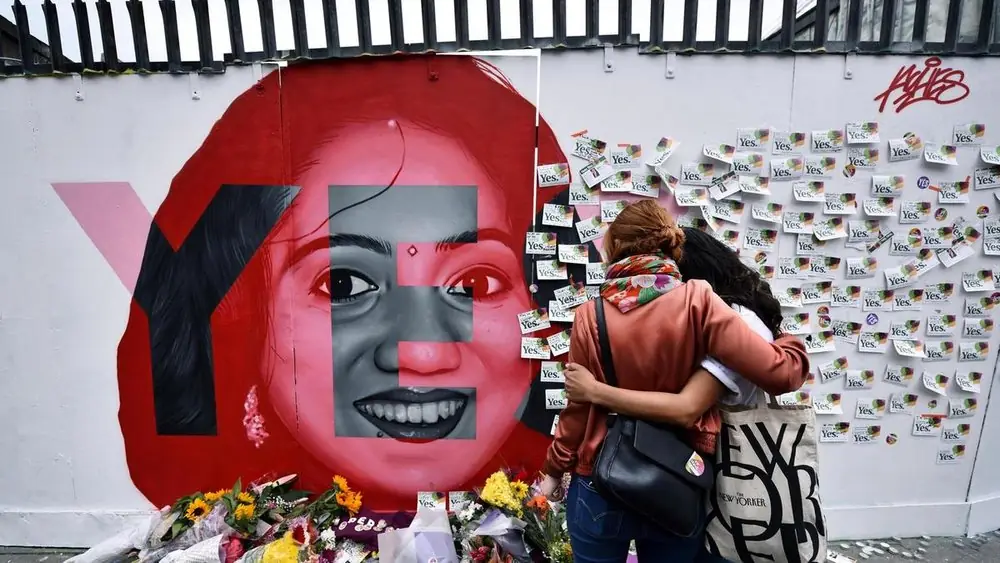
Remembering the Sacrifice of Savita Halappanavar
Ireland has come a long way in women’s rights in the past few decades. Forty years ago, even mentioning the word ‘abortion’ in public was considered a taboo, and women were banned from buying condoms or having the freedom to divorce.
McMullan said that last week’s vote was a bittersweet victory for women like her who started off the referendum day by visiting the mural of Savita Halappanavar, the famous dentist who was denied abortion in 2012 which eventually led to her death. McMullan says that she is happy for the women whose lives will be changed by the referendum, but the nation must not forget the sacrifices of women like Halappanavar, whose death paved way for the historic change.
Halappanavar’s father, who is currently living in India, gave a statement to Observer over a phone interview in which he said that his daughter’s soul can now finally rest in peace. He also thanked the people of Ireland for the landslide vote despite premature fears that questioned the likelihood of a Yes campaign after President Trump’s election and Britain’s decision to leave the European Union.