Millions of women live with symptoms such as irregular periods, acne, fertility struggles, unexplained weight gain, or thinning hair without realizing they may be linked to a single medical condition.
For years, polycystic ovarian syndrome, commonly called PCOS, has remained one of the most misunderstood hormonal disorders affecting women. Now, global health experts have introduced a new name for the condition in an effort to correct years of confusion and improve diagnosis and treatment.
The condition will now be known as polyendocrine metabolic ovarian syndrome, or PMOS. Researchers and physicians involved in the change believe the updated name reflects the condition more accurately and highlights the wide range of health issues connected to it.
Why Experts Changed the Name
The term PCOS has long created misunderstandings because many patients never develop ovarian cysts at all. Doctors say the name focused too heavily on one symptom while ignoring the larger hormonal and metabolic problems tied to the disorder.
Dr. Helena Teede, an endocrinologist and professor of Women’s Health at Monash University in Australia, led the effort behind the name change. She also served as lead author of a paper published in “The Lancet” announcing the update.
According to Teede, the previous name often caused both patients and healthcare providers to overlook the condition’s broader effects. Over more than two decades in clinical practice, she repeatedly encountered misconceptions that reduced the disorder to ovarian cysts alone. That misunderstanding sometimes delayed diagnosis or led to incomplete treatment plans.
The newly adopted term, PMOS, aims to capture the condition’s hormonal, metabolic, and reproductive dimensions in one phrase.
More Than a Reproductive Disorder
Health organizations estimate that 10% to 13% of women of reproductive age worldwide are affected by the condition. Despite those numbers, nearly 70% remain undiagnosed, according to the World Health Organization.
Doctors say PMOS can affect nearly every system in the body. Symptoms vary widely, which is one reason many cases go unnoticed for years.
Common signs linked to PMOS include:
– Irregular menstrual cycles
– Difficulty getting pregnant
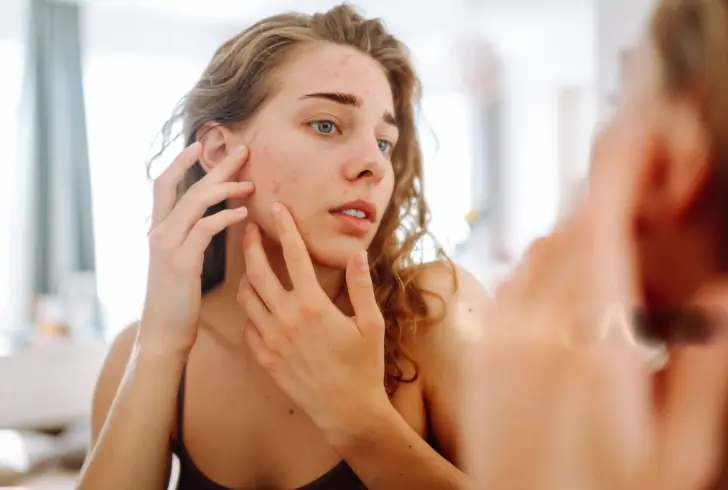
– Acne and excess facial or body hair
– Female-pattern hair thinning
– Weight gain and insulin resistance
– Increased risk of type 2 diabetes
– Higher risk of cardiovascular disease
Dr. Alla Vash-Margita, associate professor of obstetrics, gynecology and reproductive sciences at Yale University and division chief for pediatric adolescent gynecology at the Yale School of Medicine, said the old terminology also carried unnecessary stigma.
“People thought they have large cysts, which they do not have,” she explained.
The misunderstanding often created fear and confusion among patients who associated the condition strictly with ovarian abnormalities.
The Metabolic Connection
Researchers first identified the syndrome as a reproductive disorder tied to elevated male hormone levels, also called androgens. Those hormonal shifts can trigger irregular periods, infertility, acne, and hair changes.
Later research revealed a deeper metabolic issue.
Dr. Andrea Dunaif, professor of medicine in the division of endocrinology at the Icahn School of Medicine at Mount Sinai in New York, explained that scientists discovered a strong link between the condition and insulin resistance during the 1980s.
Insulin resistance happens when the body no longer responds efficiently to insulin, forcing it to produce higher amounts to keep blood sugar levels stable. Over time, that imbalance can increase the risk of developing type 2 diabetes.
“The body has to produce more insulin,” Dunaif said, “and if the body can’t kind of keep up with the needs, then diabetes can develop.”
Research now connects PMOS with liver disease, heart disease, sleep apnea, anxiety, depression, and body dysmorphia. Those findings pushed many experts to support a name that reflects the condition’s full medical impact rather than focusing on the ovaries alone.
Why “PMOS” Fits Better
The word “polyendocrine” highlights the disorder’s effect on the endocrine system, which controls hormones throughout the body. Doctors say this shift matters because PMOS reaches far beyond fertility concerns.
Teede explained that hormonal disruptions linked to the syndrome can influence metabolism, mood, sleep, cardiovascular health, and reproductive function at the same time.
The decision to rename the condition was not made quickly. According to “The Lancet” paper, the process lasted 14 years and included collaboration among 56 patient advocacy and medical organizations worldwide.
Rachel Morman, Chair of Verity PCOS UK, said in a news release, “This shift will reframe the conversation and demand that it is taken as seriously as the long-term, complex health condition it is.”
Some experts still believe additional classification may eventually be needed. Dunaif noted that future research could divide PMOS into subtypes based on dominant symptoms, such as reproductive or metabolic complications. She also pointed to evidence suggesting that people without ovaries may still experience certain metabolic traits connected to the disorder.
Even so, many physicians believe the new terminology marks meaningful progress.
Dr. Christina Boots, associate professor of obstetrics and gynecology at Northwestern University Feinberg School of Medicine, said the updated name could influence research funding, insurance coverage, and broader medical awareness.
“Women’s health is notoriously underfunded,” Boots said. She added that recognizing the condition’s metabolic and mental health effects may encourage more studies and improved treatment strategies.
When to Seek Medical Evaluation

Doctors stress that menstrual irregularities remain one of the clearest warning signs.
Dunaif recommends medical evaluation for anyone experiencing eight or fewer menstrual cycles per year or cycles lasting longer than 40 days. Those patterns may point to hormonal imbalance.
Healthcare providers can run tests to examine hormone levels, insulin resistance, and androgen excess. Elevated androgen levels may contribute to symptoms such as acne, unwanted hair growth, or scalp hair thinning.
Because PMOS affects multiple body systems, experts often encourage coordinated care between endocrinologists, gynecologists, dermatologists, mental health specialists, and nutrition professionals.
Boots emphasized that fragmented care can create conflicting advice for patients managing several symptoms at once.
“Seeing these patients as people, and doing our best to give them care with empathy and individualizing their care, I just think is so important,” she said.
Current Treatment Approaches
There is no universal cure for PMOS, so treatment usually focuses on symptom management and long-term health protection.
Lifestyle changes remain the first recommendation in many cases. Doctors often advise balanced nutrition, regular physical activity, and weight management because even moderate weight loss may improve hormone balance and menstrual cycles.
Several medications may also help control symptoms:
1. Birth control pills can regulate periods and lower androgen-related symptoms such as acne or excess hair growth.
2. Medications targeting insulin resistance may support metabolic health.
3. GLP-1 medications have shown promising results, although researchers say large-scale PMOS-specific studies are still limited.
4. Fertility treatments may help stimulate ovulation for women trying to conceive.
Mental health support is also becoming an important part of care, especially as awareness grows around the emotional impact of the condition.
The shift from PCOS to PMOS represents more than a simple name update. Medical experts hope the new terminology will improve awareness, encourage earlier diagnosis, and push healthcare systems to treat the condition as a complex hormonal and metabolic disorder rather than a fertility issue alone.
For millions of women who have struggled to understand unexplained symptoms, the change may also bring clearer conversations, broader support, and better access to care.