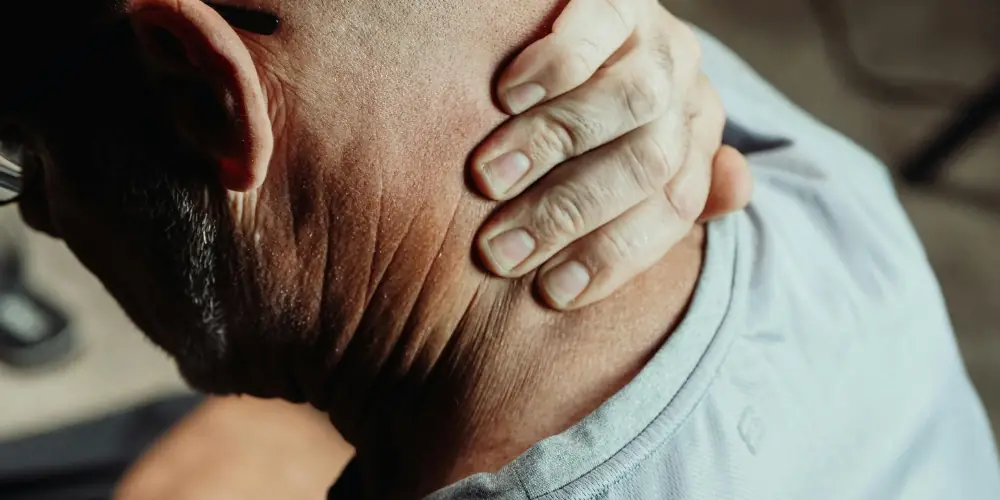
A visible bulge at the base of the neck is often brushed off as a posture issue. However, medical professionals point out that this feature—commonly referred to as a “buffalo hump”—can sometimes indicate something more complex.
While it may seem minor at first, it can be linked to lifestyle factors, certain medications, or underlying health conditions that should not be overlooked.
What Is a Buffalo Hump?
A buffalo hump describes a concentration of fat that forms at the upper back or the base of the neck. Dr. Dahlia Rice, a Chicago-based plastic surgeon and founder of DMR Aesthetics, explains that it appears as a noticeable fullness in that region. The extent of the buildup can vary widely from person to person.
Posture can exaggerate its appearance. As she explains, “The shape and timing of its development can sometimes hint at an underlying issue rather than just a surface concern.”
Common Causes Behind the Condition

The reasons behind a buffalo hump are not always straightforward. While weight gain is often linked to fat accumulation in this area, it is not the only factor.
Dr. Rachel Mason, a Las Vegas-based plastic surgeon, notes that “weight can contribute, but it does not explain every case.” Hormones and medications often play a role.
Cortisol buildup can trigger fat storage in the upper back. Conditions like Cushing’s syndrome, along with steroid and HIV medications, are common contributors.
Doctors stress that not all humps are the same. Structural posture issues differ from fatty deposits.
“A true buffalo hump tends to feel soft and fatty, while posture-related changes are structural,” Dr. Mason explains.
When to Seek Medical Advice
Watch for rapid changes or additional symptoms. Fatigue and hormonal signs may require evaluation.
Treatment Options and Management

Treatment depends on the underlying cause. Posture-related cases often respond well to targeted exercises and physical therapy.
If medications are involved, adjustments may be made under medical supervision. When fat accumulation is the main issue, cosmetic treatments may be considered.
Dr. Mason notes, “Liposuction can effectively remove excess fat and improve the contour of the upper back and neck.” In some cases, more advanced surgery may be required.
Lifestyle changes—such as maintaining a healthy weight and improving posture—can also help manage the condition.
While it may appear minor, a buffalo hump can reflect underlying health issues. Ignoring it may lead to complications like sleep problems or high blood pressure.
Early attention and proper diagnosis help address both cosmetic and medical concerns effectively.