When the blood flow to the brain is interrupted due to complications or other reasons, that state is defined as a stroke. In this stage, the person is considered critical because if the blood flow isn’t recovered soon, the brain cells start dying without the blood. Damage to the brain can lead to serious illness, long-lasting disabilities and even death.
What are the different types of strokes
There are three main types of strokes:
- Hemorrhagic stroke
- Ischaemic stroke
- The transient ischaemic attack also referred to as TIA
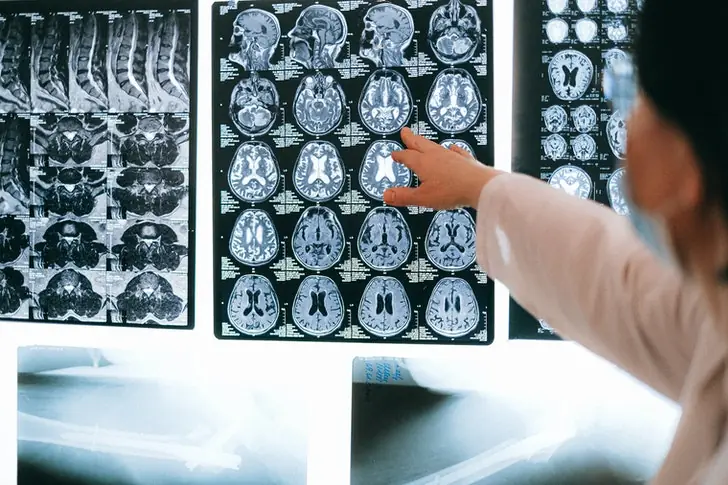
Hemorrhagic stroke:
A hemorrhagic stroke occurs if the blood vessels in your brain rupture, break or start spilling blood into the surrounding tissues and creating a blockage. An arteriovenous malformation abnormally formed blood vessels are ruptured due to high blood pressure and weaken the other small blood vessels, which cause bleeding in or around the brain. An aneurysm is a type of Hemorrhagic stroke that causes a portion of weakened blood vessels to balloon outwards and risk being ruptured.
Ischemic stroke:
An ischaemic stroke is caused by a blockage that eventually cuts off the blood supply to the brain. About 95 percent of strokes are diagnosed as ischaemic strokes. The blockage could happen due to atherosclerosis, a buildup of fatty deposits in the inner lining of the blood vessels, which can increase the risk of the buildup of blood clots. This blood clot could travel to other parts of your brain, eventually leading to brain malfunction or death.
Transient ischemic attack
TIA is generally defined as a mini-stroke that is just as same as a stroke, but the effects and symptoms last only for a short time. These symptoms usually last for a few minutes or go away in 24 hours. This stroke is understood as a warning sign of potential fatty deposits of weakening of blood vessels, but the blockage is only temporary and does not put the patient at much severe harm.
The symptoms of strokes are pretty similar. These include numbness, weakness on a particular side of the body, dizziness, loss of balance, confusion, numbness, blurring of vision, headaches, trouble sleeping or walking, sensitivity to lights, and passing out.
There are two other minor types of strokes: brain stem stroke and cryptogenic stroke. A brain stem stroke affects both sides of your body, and when it happens, the patient is unable to speak or move below his neck for lasting periods. Symptoms of brain stem stroke are much more severe such as vertigo, slurred speech, and trouble with the central nervous system and its essential functions such as regulating blood pressure and breathing. Doctors are still trying to understand cryptogenic stroke, but it also has the same symptoms of brain stem injury.
Strokes can be treated by taking medications prescribed by a professional doctor, thrombolytic therapy, and stroke rehabilitation.