
Seasonal allergies are the absolute worst. Nobody is immune to them, you never know when they may hit you, and the result is a runny nose or red eyes which disturb your vibe and stop you from actually enjoying the lovely weather of spring or autumn. That’s right, it’s not only the spring season which you have to worry about, as autumn also poses the same, if not more, the possibility of giving you an allergic reaction.
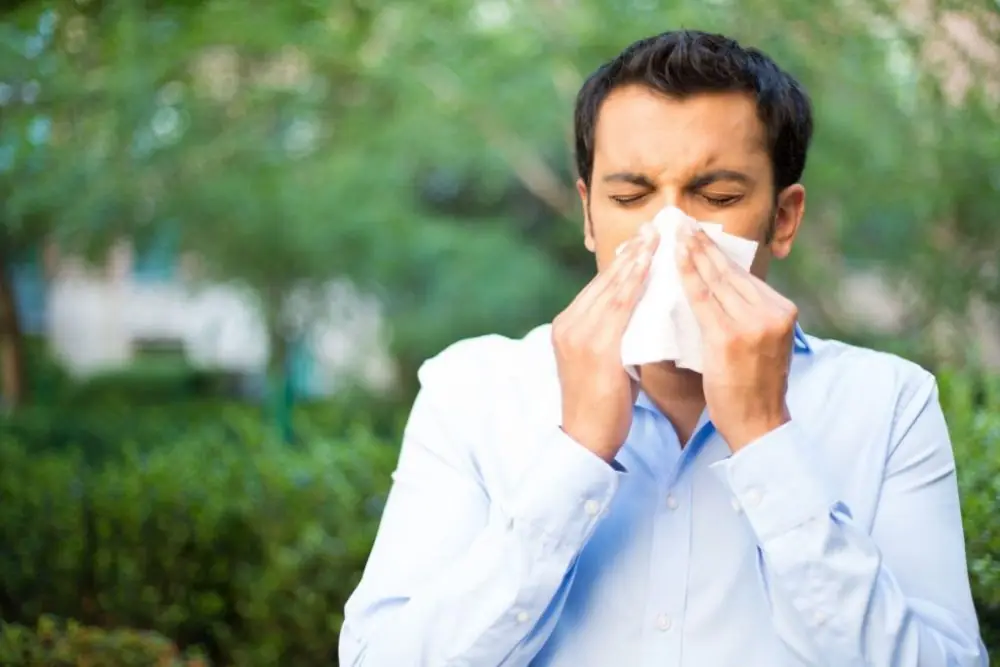
There is a very scientific reason as to why this happens. According to experts, our body releases a chemical called histamine which is its way of defending against all the substances that cause sensitivity to our body. These substances, which can also be referred to as irritants, include things like pollen, weeds, and even mold, which spread throughout the atmosphere as the summer season ends.
Know Your Symptoms
It is very easy to misdiagnose an allergy with a more serious medical condition such as influenza because the symptoms can be very similar. However, when it comes to allergies, you can expect your eyes to fill up with water, become annoyingly itchy, and show irritation. Your nose may start to run, or it may become blocked causing you difficulty in breathing.

You can definitely expect to sneeze quite a lot, as well as suffer from mild to strong headaches. The skin can develop rashes at random places, and also develop hives. Your throat is especially at risk if you are already asthmatic, because in addition to itching and causing you to cough, you can develop a reaction as strong as anaphylaxis.
Can These Allergens Be Avoided?
While there is no particular irritant in the air which you can try to avoid, as its spread and intensity can vary according to the length of the summer as well as the region, there are still a few weeds that are found at least in the Midwest, such as Ragweed, Goldenrod, and also Pigweed, to name a few, which can grow rampantly if the area experiences a long summer. This results in a heightened amount of pollen in the atmosphere, and pollen is one of the leading causes of rhinitis, or hay fever.
Americans have so far failed to control their contraction of hay fever, as around 60 million people in the country suffer from the condition on an annual basis. A major culprit is Ragweed, a weed that spreads extremely during the post-summer months of August all the way till November. The Ragweed spread peaks in mid-September, which is probably when you may consider wearing a mask while going outdoors as just one plant of this kind has the capacity to generate more than 1 billion grains of pollen.
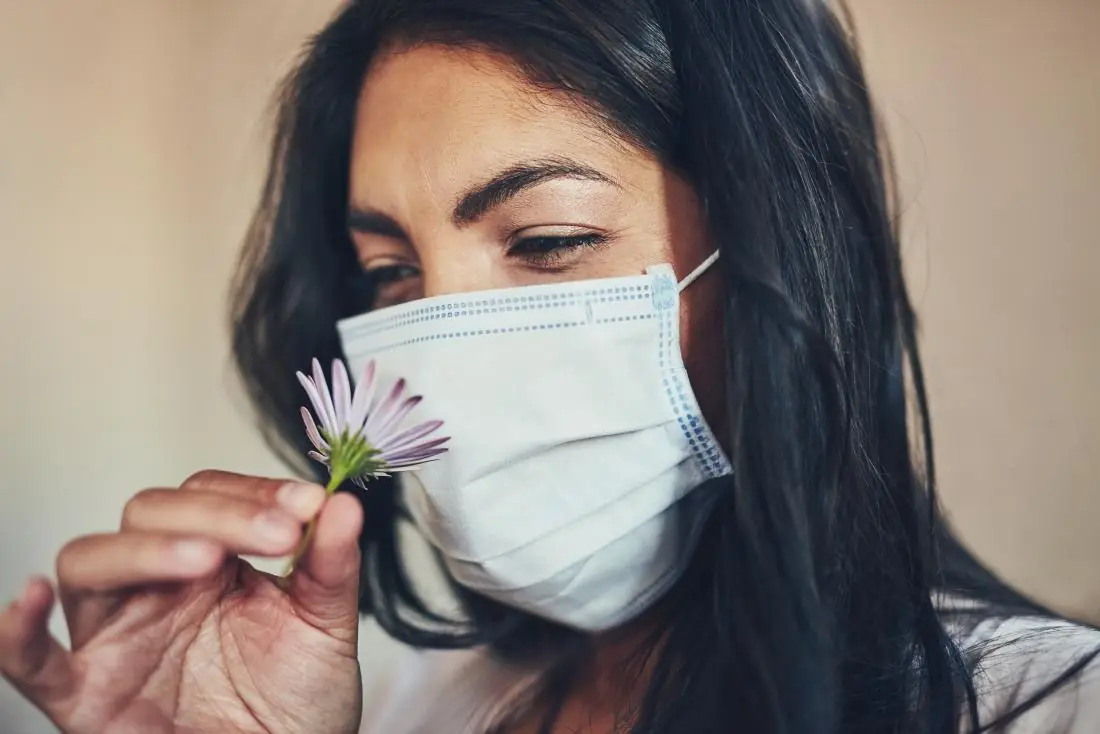
Since pollen is extremely light-weight, it can easily travel throughout the country by air, reaching as far as the eastern parts. That is why, during the autumn months, it is best if you take some precautions such as an over-the-counter anti-allergen to avoid experiencing any of the abovementioned unwanted allergic reactions.