Your heart doesn’t always shout when something is wrong. Sometimes, it whispers. The trick is knowing how to listen. Heart problems can show up in quiet, unexpected ways, especially in women, older adults, and people with diabetes.
You don’t have to be clutching your chest to be at risk. These five sneaky warning signs might seem harmless at first, but ignoring them could cost you.
Unusual Fatigue
Your heart works nonstop to pump blood through your body. So, when it is not pumping efficiently, your muscles don’t get the oxygen they need. That can leave you drained. A 2023 report from the Journal of Cardiac Failure backs this up.
So, if you are suddenly wiped out after climbing stairs or walking to the mailbox, pay attention.

However, what makes this tricky is that fatigue is easy to blame on everything else. Work stress, poor sleep, and too much coffee all add up. But when that tired, heavy feeling doesn’t let up or gets worse, it is time to take it seriously. Constant exhaustion without a clear reason is a red flag.
Chest Discomfort That is Easy to Dismiss
Not all heart trouble comes with sharp pain. Sometimes, it is more like a squeeze, a dull ache, or a weird pressure in your chest. It might feel like heartburn or muscle tension. Maybe it fades quickly, then returns. Many people brush this off. But those small moments can be signs of a silent heart attack.
This type of chest discomfort is sneaky. It may show up when you are resting or doing something low-stress. Don’t assume it is nothing just because it is not intense. If the feeling is new, comes in waves, or just feels off, your heart could be the real problem.
Breathlessness You Can’t Explain
Breathing shouldn’t be hard. If you are suddenly winded from normal things like walking across a room or lying flat, your heart might not be pumping enough blood to your lungs.
That can cause fluid to back up and make breathing tough. And it is not just during the day. Waking up gasping for air is another serious sign.
It is easy to ignore until it starts affecting your daily life. Don’t wait. A struggling heart needs help.
Pain That Shows Up in the Wrong Place
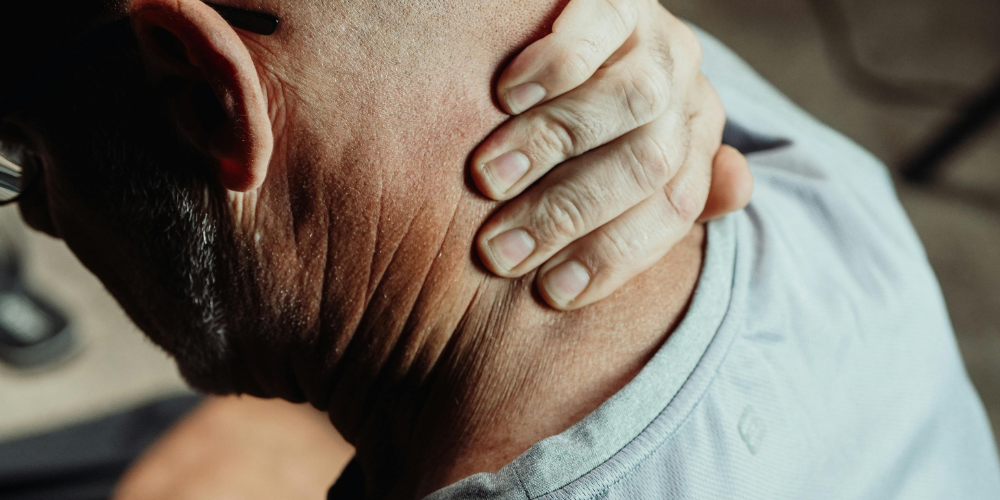
According to the American Heart Association, heart problems don’t always hit where you expect. That tight, sore, or burning feeling might show up in your jaw, neck, shoulder, or back. Women in particular often feel heart-related pain in these areas instead of the chest.
That is why their symptoms are more likely to be missed.
Nausea That Comes Out of Nowhere
Feeling sick to your stomach doesn’t usually scream “heart problem.” But it can be. In some people, especially women, a heart attack can look more like the flu. Nausea, vomiting, or stomach pain without a clear cause might be your heart waving a red flag.
If digestive symptoms show up alongside other signs like fatigue, sweating, or chest discomfort, don’t brush them off. People often chalk this up to stress or something they ate. But when your gut says something is wrong and you just feel “off,” trust it. Get checked out.
If you ever feel chest discomfort paired with shortness of breath, cold sweats, or pain that spreads, don’t wait. Call 911 immediately!
Even if the symptoms seem mild, getting a check-up is your best bet. A quick test could show early signs of heart trouble before things get worse.